
Fourthwall is one of the most flexible creator platforms out there, no monthly subscription, built-in merchant of record, and physical merch, digital products, and memberships all in one storefront. Start with the core five products (premium tees, hoodies, hats, stickers, mugs), then layer in whatever fits your audience as you learn what actually sells. Don’t overcomplicate it early.
All the years I’ve spent working with creators and print on demand companies has had a weird effect on me. I’ve developed this odd habit of sort of “auditing” every creator merch store I see. Not officially, obviously, I’m not charging anyone for this.
I’m just curious, because I’ve gotten pretty good at figuring out which product collections are going to build revenue, and which probably aren’t.
Really, there’s potential for any creator these days. The market is massive, particularly if you can sell something high-quality (a lot of people still forget about the quality part). Still, with so much competition out there, it really does pay to do your research, and make the most of whatever unique benefits your platform has to offer.
So this is my guide to the kinds of products worth selling on one of my favorite creator platforms right now: Fourthwall.
Key Takeaways
- Start with the proven five — premium t-shirts, hoodies, hats, stickers, and mugs are responsible for the bulk of revenue in most new creator stores, and Fourthwall’s Signature collection gives you a quality edge over generic POD options
- Price points matter more than catalog size — a single $70 hoodie changes your revenue math faster than selling dozens of $5 stickers; don’t race to launch everything at once
- Match products to your audience’s lifestyle — desk mats and mouse pads make sense for streamers and developers; yoga mats and pet accessories only work if your community already lives in that world
- Small collectibles build community, not just revenue — pins, magnets, and postcards are low-risk, psychologically powerful, and work especially well tied to events or limited drops
- Fourthwall handles more than most platforms — it acts as merchant of record, handles catalog customer support, and integrates with YouTube, TikTok, and Meta, reducing operational load significantly
- Digital products and memberships are underused — recurring revenue from memberships and zero-shipping digital products sit inside the same storefront as your physical merch, with no extra tools needed
- Premium collectibles (plushies, enamel pins, outerwear) require audience trust first — don’t launch high-commitment products before your core apparel is converting consistently
The Best Fourthwall Products for Creators in 2026
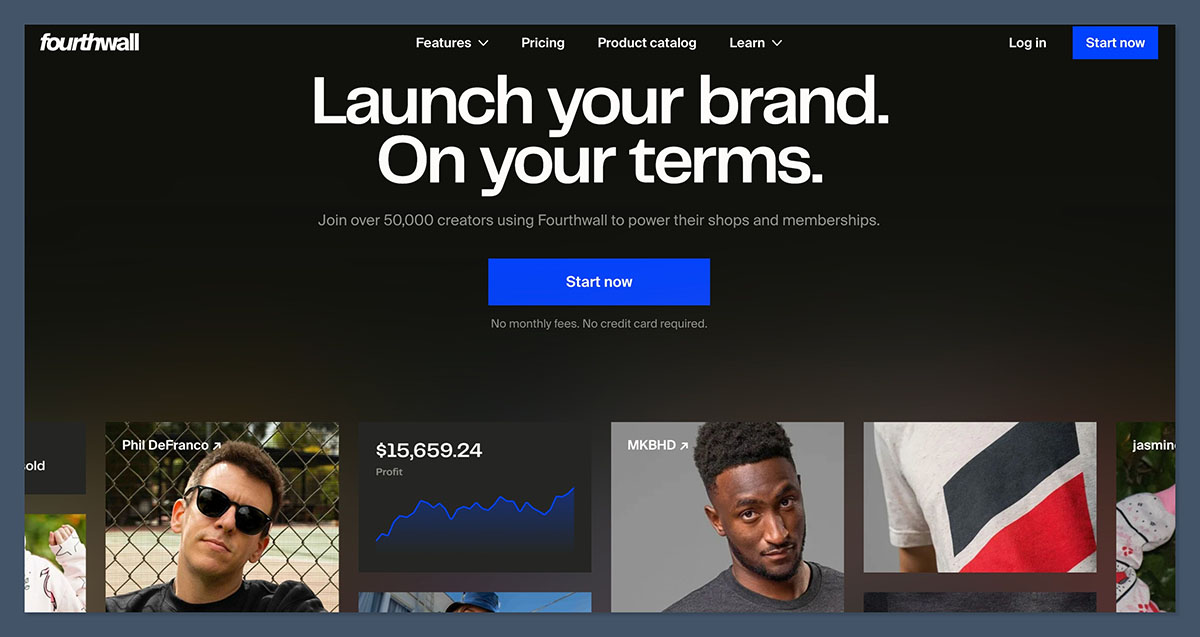
Why do I love Fourthwall?
It’s flexible, versatile, and gives you the option to sell everything from premium POD items to digital assets. Plus, it handles the hard work for you, working as your merchant of record and dealing with customer support for any products in its catalog.
Combine that with the fact that Fourthwall plugs straight into social selling channels (like YouTube, TikTok, and Meta), and it gives you one of the easiest ways to make your creator business a success, without taking on extra work.
Of course, you still need to get your product collection right.
I’m going to break my recommendations down into groups.
The Core Bestsellers: Ideal for Any Creator
If I had to bet on five categories carrying 80 percent of a new creator store’s revenue, it’s these. I’ve looked at enough storefronts to feel comfortable saying that. All of these products aren’t exactly revolutionary, but they work pretty much every time.
- Premium T-shirts: Note the “premium” tag there. Anyone can sell t-shirts, fewer creators sell the kind people don’t actually mind paying extra for. With Fourthwall, you’re guaranteed high quality because the company negotiates with printing partners to ensure machines are operating at their best. The Fourthwall Signature collection even includes ultra premium options from leading brands.
- Premium Hoodies: The custom sweatshirt and hoodie segment is projected to grow from $366 billion by 2030. A hoodie at $65 to $75 changes your revenue math immediately. You don’t need thousands of orders to generate meaningful income. You need committed buyers.
- Hats (Dad Hats and Beanies): Hats are interesting because they don’t feel like merch when done right. A simple embroidered logo can look like streetwear, not fan gear. I’ve seen minimalist creators sell more hats than graphic tees because hats are subtle. Someone can wear them anywhere without explaining the reference. They’re also a great “add-on” for almost any order.
Beyond “apparel” best-sellers, there are two main categories of product I tend to recommend to most new POD companies or merch sellers. The first is stickers. They’re affordable, easy to create, and rarely hard to sell. They’re the kind of “impulse buy” people add to their carts without thinking.
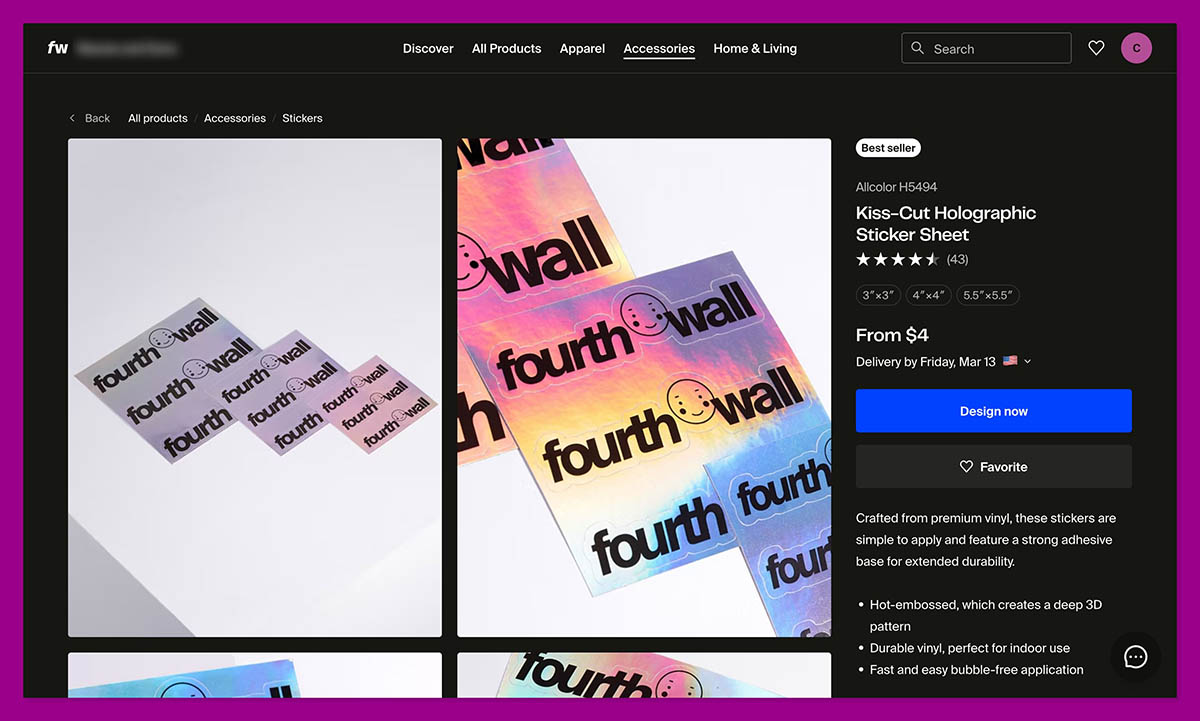
With Fourthwall, you could even send stickers out to local subscribers to your podcast or video channel as a free bonus if you like.
The other core option is mugs and basic drinkware. Everyone needs something they can drink from, so drinkware is always a practical pick. If you need evidence, the drinkware market was worth $38 billion in 2025, and it’s still going steady.
Creator-Specific “Desk & Tech” Products
This section only matters if your audience spends real time at a desk. Developers, gamers, students, productivity creators. If your content lives in a workspace, your merch probably should too.
The first “obvious” options here are desk mats and mouse pads. The market for both of these products combined is going to be worth around $8 billion by 2030. What’s great about them for creators is how easy they are to show off. They’re visible on a stream, and with Fourthwall’s Twitch integration, customers can buy what you’re using while they watch.
Plus, since mouse pads and desk mats are “functional” they don’t feel like novelty purchases. They’re easier to justify for someone who wants to support your brand, without throwing a lot of money at a luxury hoodie.
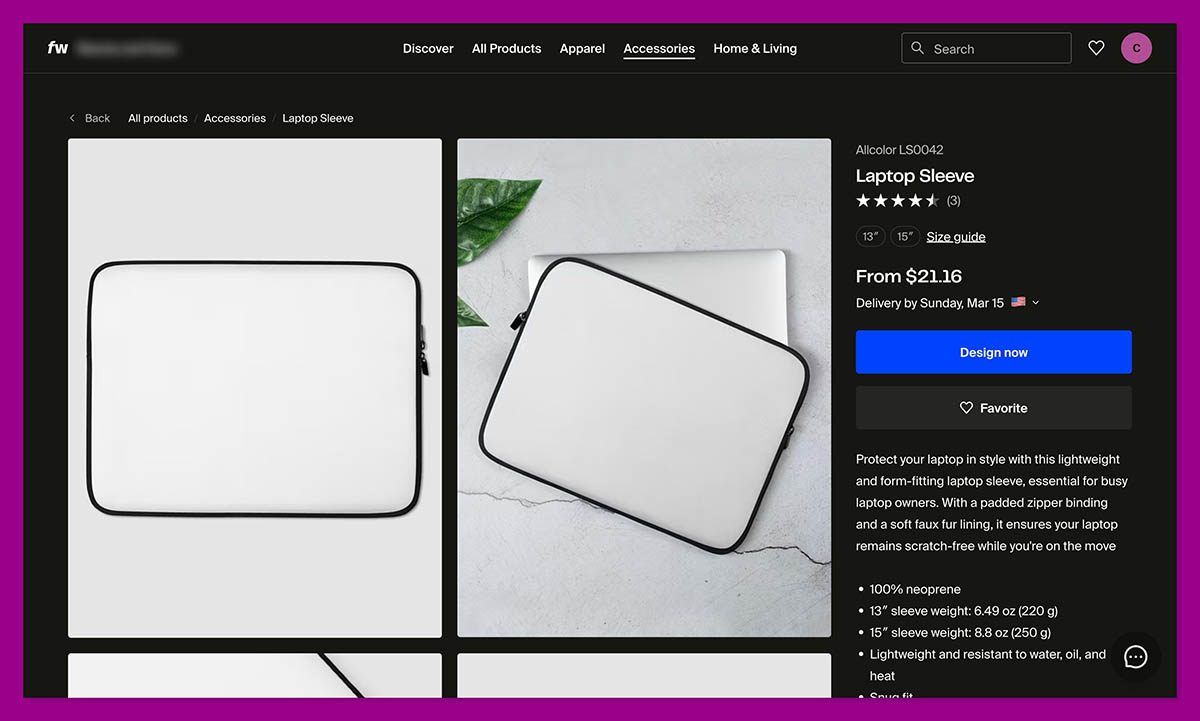
Laptop sleeves are another good option if you want to take the practical route. Even professionals can buy them without second-guessing themselves. They just remind themselves they’re protecting a more expensive piece of tech.
If you want to go a different route, phone accessories are ideal too. The global mobile phone protective cover market was valued at $25.5 billion in 2024 and is expected to exceed $53 billion by 2033. That scale alone makes phone cases hard to ignore.
They’re universal. They’re replaced frequently. They allow bold design without asking someone to wear it publicly. Of course, since they sell fast, you need to be prepared.
Support requests spike with scale. Fortunately, on Fourthwall, catalog support is handled, which reduces that fear of “what if this actually takes off.”
Collectables & Community Badges
A lot of creators ignore these options because they don’t really allow for big price tags. Really though, that’s why people like them.
Step back and look at it. The creator economy is expected to approach $480 billion by 2027. That kind of growth isn’t built on a few expensive purchases. It’s built on communities. Small transactions. People choosing to participate.
If you’re not considering them already, try:
- Pins (Buttons): Buttons aren’t going to fund your next vacation. But they’re powerful psychologically. They’re wearable signals. They’re affordable. They’re easy to collect. For event-driven creators, livestream milestones, or limited inside jokes, buttons work because they feel temporary. That’s the key. They’re not meant to be evergreen bestsellers. They’re markers.
- Magnets: Magnets don’t work for every niche. But for lifestyle creators or art-based brands, they fit naturally. They also make solid bundle components. Sticker pack plus magnet feels intentional like a great bargain.
- Postcards: Postcards are underrated when tied to art drops or limited runs. They’re easy to produce. Easy to ship. They also work well as low-risk collectibles. The trick is context. A random postcard in a tech creator’s store makes no sense. In an illustrator’s store, it fits perfectly.
What I like about testing these smaller SKUs on Fourthwall is the absence of overhead. No monthly subscription cost means you’re not stressed about catalog size. You can experiment without feeling punished for it.
Premium Collectables & Drop Items
Premium collectibles are a bit riskier. They only work if you have a great design, and audience trust. Still, when they work, they really do work.
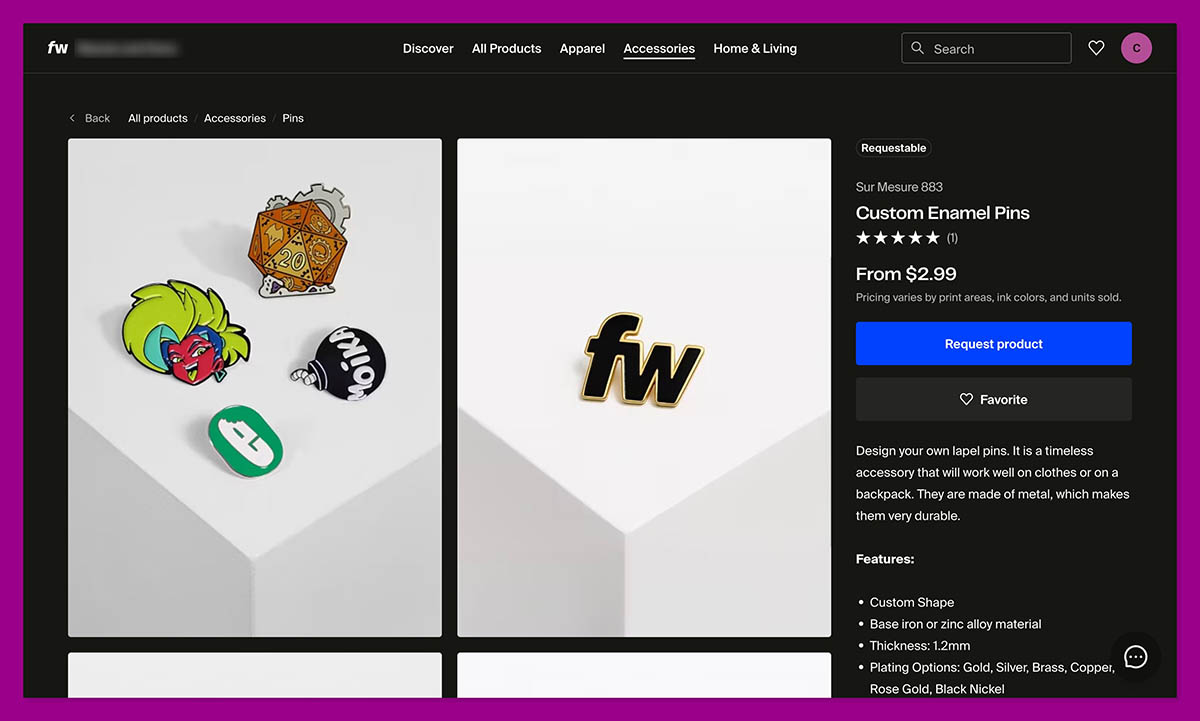
Look at enamel pins for a second. The specialty pins market is projected to grow from roughly $3.2 billion in 2024 to over $5.1 billion by 2033. Pins naturally invite collecting. They’re compact. Durable. Easy to display. The real engine is scarcity. A limited run. A one-time release. Numbered pieces. That’s when interest jumps.
Custom keychains are a great option too. They’re affordable, visible daily, and perfect for pairing with limited drops. They also work well with bundles, if you want to make a limited-time hoodie or t-shirt even more appealing.
If you really want to take advantage of the custom products you can get from Fourthwall, though, I’d say take a look at their custom plushies. People love plushies, regardless of their age. They’re emotional products that work perfectly when your brand includes a character or mascot.
Of course, they are operationally intense. They come with higher production costs and higher expectations, which is why most early-stage creators avoid them. That’s good news for you, because with Fourthwall’s support, you can introduce a new collection none of your competitors can match.
Home & Cozy Upgrades
I don’t think creators should rush into home goods. But once you have audience loyalty, these products do something apparel can’t. They move your brand into someone’s space.
There are a handful of great product options worth considering here:
- Blankets: The global blanket market is expected to be worth about $45.86 billion by 2034, mostly because people are snuggling up with blankets to fight back against rising energy bills. For creators, blankets sit in a higher price bracket without feeling luxury. A $60–$90 throw blanket feels giftable. It feels seasonal, and practical.
- Pillows: Pillows follow the same logic but at a slightly lower commitment level. They work well for illustrators and design-heavy brands. If your art looks good framed or printed, it probably works on a pillow.
- Candles: The scented candle market was valued at approximately $2.24 billion in 2024 and is projected to reach $3.47 billion by 2033. That’s not massive, but it’s worth something. Candles sell when a creator has a mood. Wellness channels. Study-with-me streams. Slow-living content. They make sense there.
- Wall Art: This is probably the biggest category. The global wall art market was valued at about $53.05 billion in 2022 and is projected to exceed $80.96 billion by 2030. Wall art is high-intent. People buy it to fill a space. That means your design has to hold up long-term. Trend-based graphics fade quickly.
Another area worth looking at: calendars and printed paper goods. Calendars only really grab attention once a year, but they can give your annual revenue a nice boost. Printed paper goods keep selling all year round.
Out-in-the-World Lifestyle Products
This category is about visibility. If home goods bring your brand into someone’s space, lifestyle products bring your brand into public. There are a lot of great options worth looking at here.
- Bags (Totes and Fanny Packs): Tote bags are everywhere now, especially as retailers push reusable options. When someone carries your tote, your brand gets seen. Fanny packs are more niche. They lean toward streetwear or festival-style audiences. Still, the right community responds strongly.
- Embroidered Patches: The embroidered badges and patches market is projected to grow from around $1.38 billion in 2026 to roughly $2.04 billion by 2035. Patches are about belonging. They fit outdoor brands, gaming groups, car communities, tight subcultures.
- Windbreakers / Outerwear: Outerwear is higher commitment. Higher price. Higher expectation. I wouldn’t recommend windbreakers early. They require confidence in your audience’s willingness to spend. When done well, though, they elevate a store immediately. They signal you’re building a serious collection.
Again, the great thing about using Fourthwall as your platform for all of these products is that you’re guaranteed quality. You’re not taking risks with products customers will be showing off wherever they go. That’s important.
Products for Niche Communities
After a while, a lot of creators get tired of selling the same stuff that shows up on every other merch site. That’s fine. With Fourthwall, you can branch out into more niche products. The important thing is to make sure the niche matches your brand.
Options worth considering:
- Pet Accessories: The global pet accessories market was valued at about $6.71 billion in 2024 and is projected to approach $10 billion by 2030. If your community already shares photos of their dogs in Discord, pet products make sense. I’ve seen lifestyle creators sell branded dog bandanas surprisingly well because their audience already overlaps heavily with pet owners.
- Yoga Mats: The global yoga mat market sits around $13.67 billion and continues to grow steadily. But yoga mats aren’t novelty items. They’re functional. People buy them because they practice regularly. If you’re a fitness creator and your audience actually works out with you, this product can land well.
- Shoes: Shoes are a product a lot of merch sellers avoid because they’re harder to create, and more expensive. I wouldn’t recommend launching shoes until your core apparel is moving consistently. If shirts and hoodies aren’t converting yet, shoes won’t magically fix that. When they work, they elevate perception instantly. But that elevation only feels real when the brand already has traction.
Another good option if you’re not ready for “shoes” yet, is socks. They’re cheaper to create, easier to sell, and more universal.
High-Margin Non-Physical Products
This is the category most creators ignore, because honestly, they’re already struggling to manage print on demand or dropshipping partners, and they don’t want to add digital products into the mix. Fourthwall makes it easy to take that step.
You can set up paid communities, and sell as many digital products as you like. That could mean offering templates, pre-setts, e-books, or even mini courses. With all of those, you don’t have to worry about shipping costs or inventory. The pressure is much lower.
Fourthwall integrates digital delivery directly into the same storefront as physical products. No redirecting to a different checkout system. No stacking Gumroad on top of Shopify on top of a membership tool.
Memberships are another fantastic option, particularly if you’re trying to cut down stress. Recurring revenue means less worrying about your monthly income.
Fourthwall lets you run memberships inside the same storefront as merch. You can gate content. Assign Discord roles automatically. Manage recurring billing without duct-taping multiple platforms together.
The Best Fourthwall Products for New Creators
You’ve probably already thought about selling some of these. T-shirts. Hoodies. Hats. Stickers. Mugs. The usual starting points. What’s appealing about Fourthwall is that you can push those core products in higher quality. That matters. If your merch feels cheap, people notice. Premium materials and consistent production make it easier to stand out without having to overcomplicate your catalog.
Then you can start adding in new revenue streams, like memberships and digital products, niche items, custom products for limited-time drops, and anything else you can think of.
Fourthwall bundles it all into the same place, acts as your merchant of record to help minimize financial headaches, and even deals with a chunk of the customer support for you.
The only final tip I want to give is this: start small. A lot of creators rush to build an entire collection straight away, and end up making a mess. My advice is to start with the proven best-sellers, and build out as you learn more about your audience, and what really works for you.