Streaming is so much more than a hobby these days. People actually do make real money from it, just look at Kai Cenat or Richard “Ninja” Blevins. Of course, that doesn’t mean everyone can expect to become a broadcast billionaire. There are plenty of talented streamers that don’t make a penny. Usually, though, that’s because they don’t know how to monetize their audience.
I know a lot of would-be streamers that assumed they’d be able to make a full-time income from platform-native subs and ads alone. That doesn’t work anymore. You need a proper plan, different avenues for earning income, and hopefully, a way to maintain some ownership of your audience.
This is how I’d advise a beginner setting up a streaming business for the first time, based on what I’ve learned from real success stories.
TL;DR
You won’t make a full-time income from subs and ads alone. Stack your income instead, and build toward an audience you actually own:
- Pick one platform that fits your niche (Twitch for gaming, TikTok for beauty and visual products, YouTube for long-form) and grow the audience there.
- Turn on native monetization (subs, Bits, gifts, super chats), but know each platform caps you with its own fees and payout rules.
- Build an income stream you own with memberships, custom merch, and digital downloads on a hub like Fourthwall.
- Add sponsors and affiliates later, only once the base is working, and always disclose paid deals.
- Treat it like a business: reuse every stream (clips, replays, courses, podcasts) and track your numbers.
Step 1: Pick Your Streaming Platform (and Build the Audience)
First things first, streaming doesn’t belong exclusively to Twitch anymore. It’s one of the more popular choices for live-first creators, particularly if you’re involved in the gaming niche, or you love hosting community hangouts.
Twitch Affiliate is also more accessible than it used to be. All you need is 25 followers, 4 streamed hours, 4 different streaming days, and an average of 3 viewers across those days.
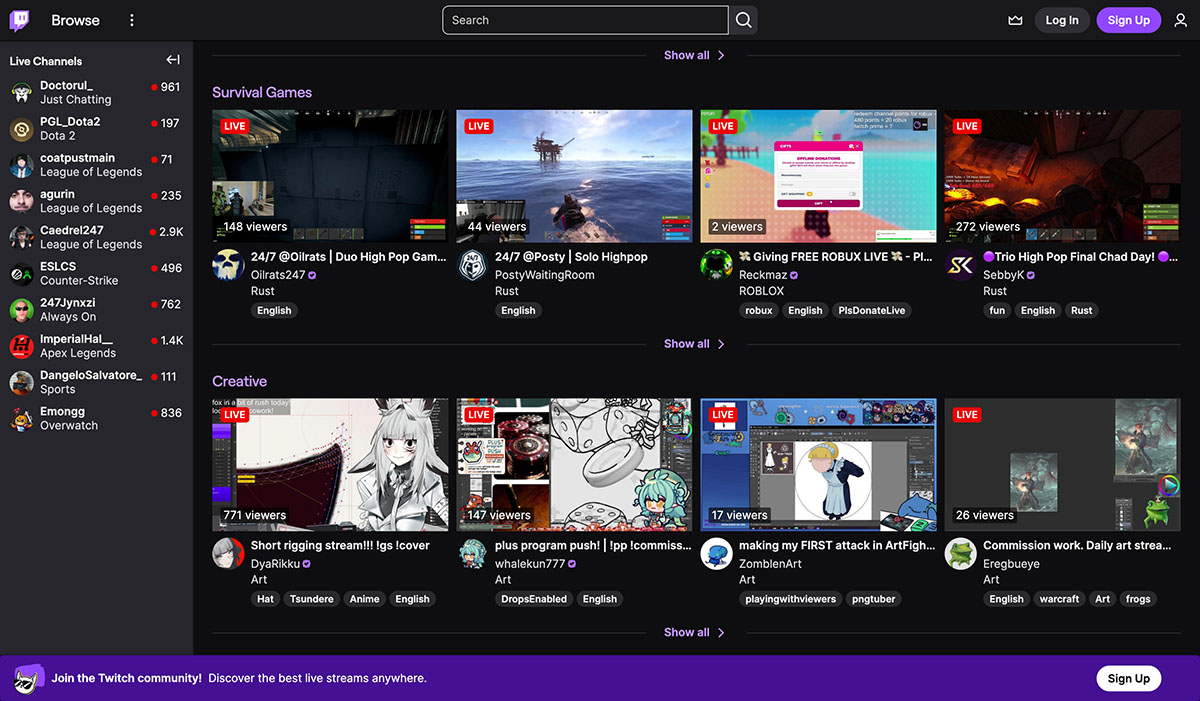
Still, there are other great options too. YouTube Live is perfect for podcasts, tutorials, interviews, product demos, and software walkthroughs. To join the partner program, you need 500 subscribers, 3 valid uploads in 90 days, and either 3,000 public watch hours or 3 million Shorts views. Full ad revenue requires 1,000 subscribers and 4,000 watch hours, or 10 million Shorts views.
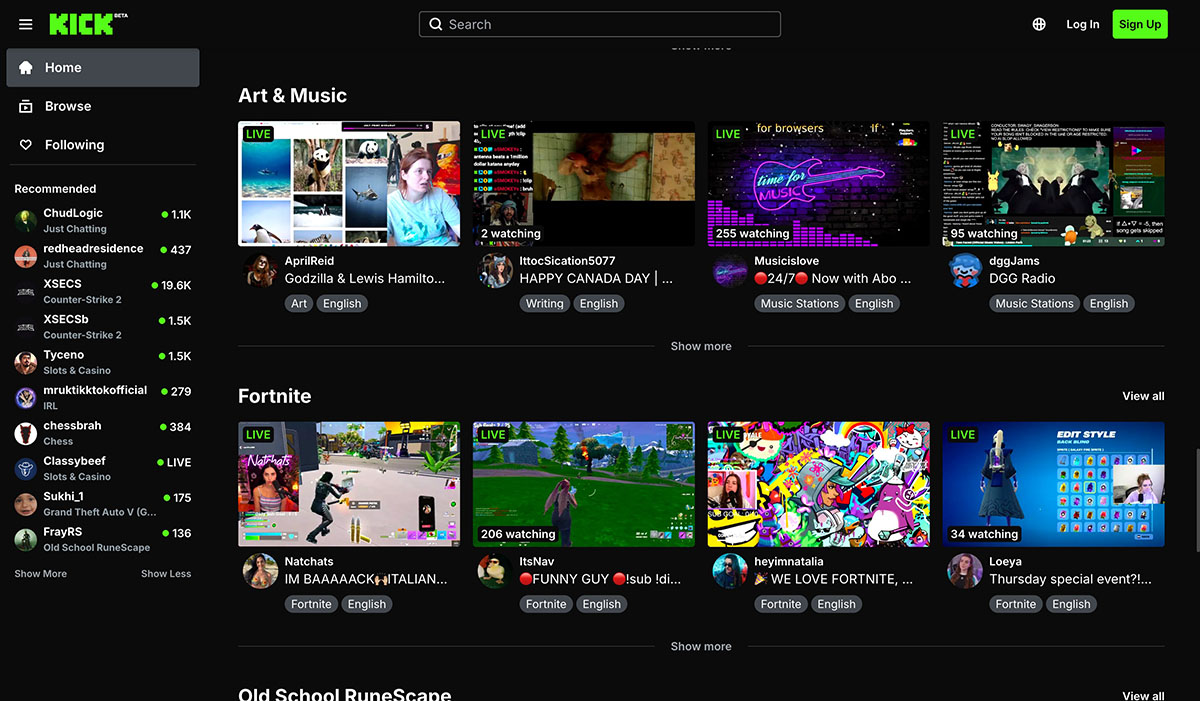
Kick is a newer one getting attention for its 95/5 subscription split, although the official Partner program does ask you for real engagement: 250 followers, 30 streamed hours, an average of 75 concurrent viewers, 25 active subscribers, 250 unique chatters, and 3 VODs, all measured over a rolling 30 days.
Then there’s TikTok Live, brilliant for visual products, personality-driven short videos, and live impulse shopping. You need about 1,000 followers to use the LIVE feature, though.
My advice? Don’t pick a platform because you’ve seen another creator posting about how much they’ve earned with it. Pick the one that’s going to make it easier to build your audience. For gaming, that’s probably Twitch; for fashion guides and beauty, maybe TikTok.
Step 2: Use the Built-In Monetization Features, But Know the Ceiling
Every popular streaming platform has a “native” way to earn cash. They also each have limits. Twitch gives every streamer access to Bits and subscriptions, for instance, but those earnings are held as a “spendable balance” until you become an affiliate. You also have payment thresholds to consider, like the $50 minimum for a transfer.
YouTube gives you a few options. If you have at least 500 subscribers (and meet the other criteria), you can try fan funding with Supers, Memberships, and Tipping. Once you get to 1,000 subscribers and some serious watch time, you can run full ads and earn premium revenue. Still, you need a minimum balance of $100 before you can cash out.
Kick seems more generous, since it gives creators 95% of the revenue from subscriptions. But to join the Kick Partner Program you need to meet several 30-day rolling metrics: 30 hours of streaming, 3 VODs, 250 followers, 250 unique chatters, 25 active subscribers, and an average of 75 concurrent viewers.
TikTok Live is a little simpler. You can accept Live gifts and viewer donations, but you need 1,000 followers to access the Live feature, and you only keep about 50% of the gift value. You’ll also need to hit a small withdrawal minimum (around $10, though it varies by region) before you can cash out. The Creator Rewards program needs 10,000 followers and at least 100,000 views on your account in 30 days, so it’s a bit trickier to get approved.
Even with the limits, those monetization methods are a good starting point, just don’t stop once you start earning natively. Remember that the built-in tools are always going to be restricted by someone else’s payment rules, fee structure, or account system.
Step 3: Build the Income Stream You Can Control
This is when you can start really opening doors for your future. The streaming platform you choose gets you attention, but the better money comes from the audience you can actually own.
A home “hub” for your channel, wherever you choose to build it, lets you play with membership opportunities, custom merch, and a branded storefront where you can invite people to sign up for email alerts, information about new drops, or external community networks.
A good example: Will Neff launched a branded hot sauce for his streaming community, and sold out in just five minutes. He might have been able to sell on a live stream, but managing the whole business on the backend, and keeping ownership of the audience afterward, would have been tough.
Choosing the Platform for Your Owned Income Stream
I’d say match the platform you use here to the monetization options you’re considering, your audience, and how much work you want to do.
Patreon is a good option if you’re interested in selling exclusive access to your followers and you already have a very active community, but it doesn’t give you an official “website”. Ko-Fi is a brilliant choice if your fans are already keen to send you tips and support. Spring might be a better pick if you want to sell simple merch with no upfront cost.
If you want the best combination of variety and simplicity though, I’d pick Fourthwall. It doesn’t just give you a page alongside other creators, it gives you a full ecommerce setup, with a storefront and checkout, plus all your own branding.
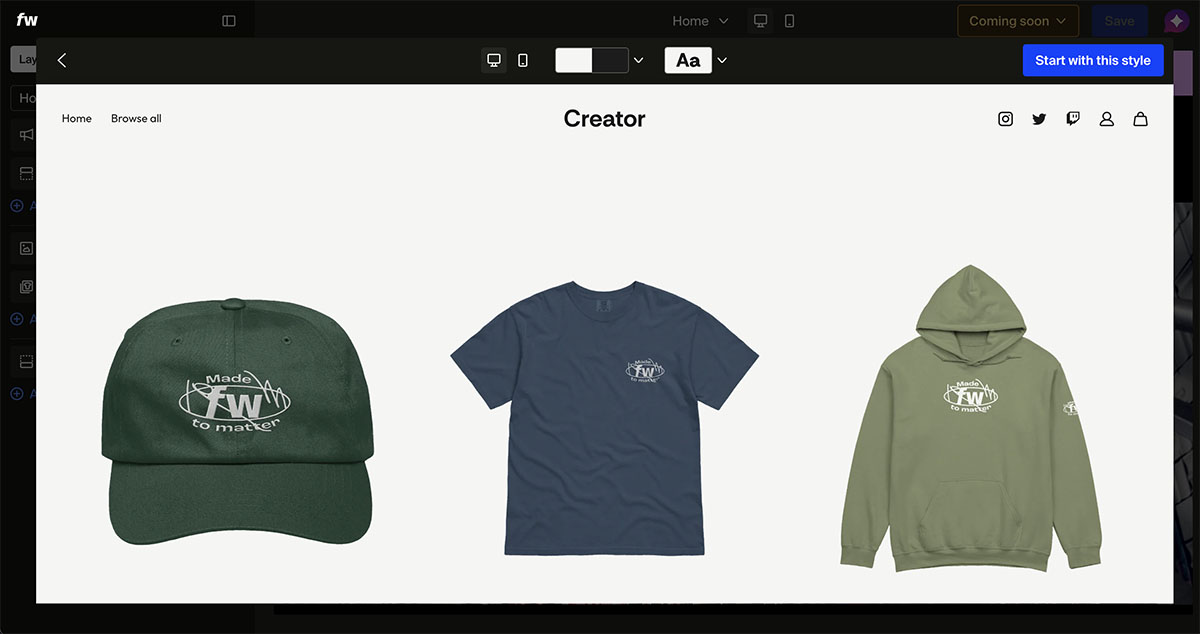
It also lets you experiment with what you sell. You can offer custom products like Will’s hot sauce, source specialist products like enamel pins, or sell custom merch from its premium print on demand catalog. You can even sell digital downloads and subscriptions, or accept donations.
You can set up for free, with a 5% fee on digital downloads or memberships, or use the paid plan to remove the fee on digital products and access extra support.
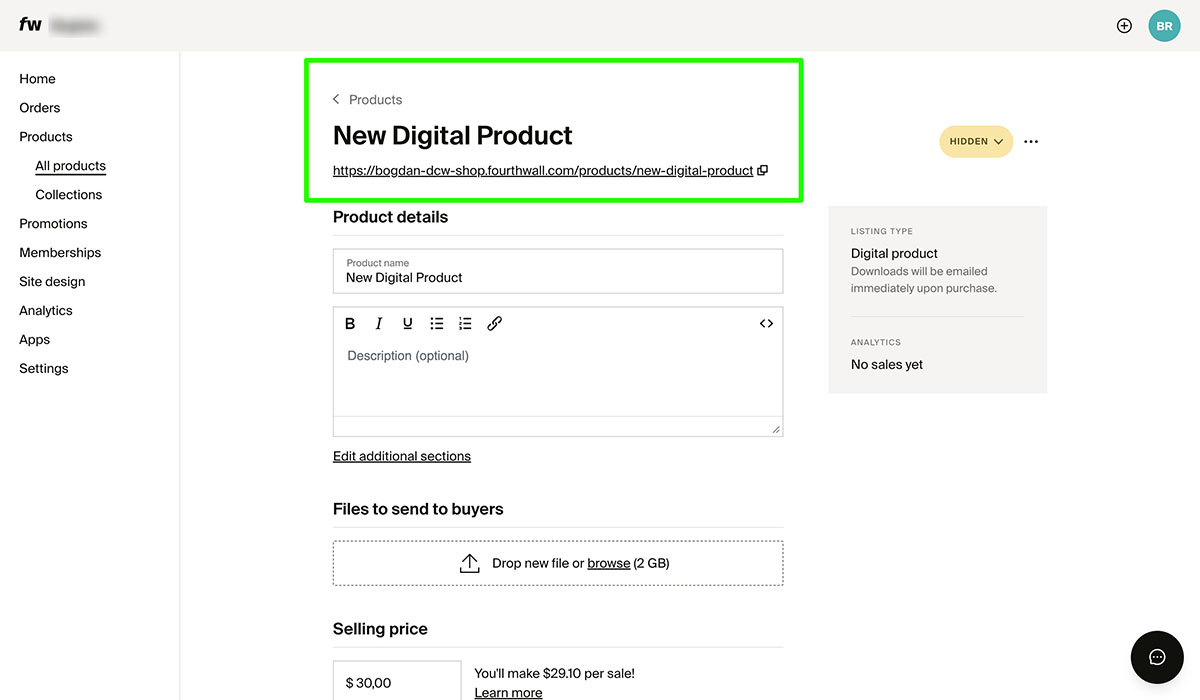
Speaking of support, that’s probably the best thing you get from Fourthwall. Yes, it consolidates a bunch of income streams (including 1080p video hosting) into one hub, but it also gives you an AI assistant to help run the business, and it acts as your Merchant of Record for tax. Fourthwall even handles customer service for any products bought from its POD collection.
Step 4: Add Sponsors and Affiliate Income
This is the “later-stage” strategy I’d only start thinking about once you’ve already set up native monetization features and done a bit of experimenting with memberships, digital downloads, or custom merch. Sponsorships and affiliates can seriously improve your income, but they also give you more to manage, and more rules to get your head around.
For sponsors, make sure you know what actually comes in the package. It might include a 60-second live mention, a product demo, a pinned chat link, a short clip after the stream, and usage rights if the brand wants to run that clip as an ad. Make sure you’re only working with brands you know your customers already trust, or they’re going to start questioning your motives.
Also, pick pricing carefully. Make sure potential sponsors can see what you’re offering: not just a good follower count, but average concurrent views, chat activity, audience fit, and maybe some extra short-form deliverables too.
Affiliate income is a little easier to understand. You can join affiliate networks like Clickbank, or marketplaces like Amazon Associates. Or you can set up direct brand partnerships, or even join social affiliate programs on channels like TikTok if you’ve got the follower count.
Again, make sure the partnership will make sense to your audience. If it’s Twitch, for instance, you might act as an affiliate for a company selling stream decks, microphones, overlays, games, keyboards, or camera gear.
With both strategies, follow the rules. The FTC requires creators to disclose paid relationships directly, and if you skip that, you could be in for a world of trouble. Fines are one thing; losing the trust of your audience is another.
Step 5: Diversify and Treat It Like a Business
One of the great things about a stream is that it doesn’t have to lose all of its value the second you stop recording. You’ve got a ton of things you can do with a single stream. You might:
- Pull out some clips for Shorts, Reels, or TikTok
- Save the replay and add it to a community folder
- Build on ideas covered in a stream with a short course
- Transcribe streams and create eBooks or blog posts
- Turn streams into podcasts
Some channels, like YouTube, even have built-in tools that turn long-form videos into shorts, so you can chop a piece of content into several valuable resources fast. If you’re not sure where to start, I’d advise running a poll, or actually asking audience members what they’d love to buy from you.
Also, remember to treat streaming as a real business, not a hobby. That means tracking some useful insights you can use to grow in the future. Monitor subs, tips, merch profit, membership churn, affiliate clicks, sponsor deliverables, clip views, replay sales, software costs, and gear spend. You need to do that for tax purposes anyway, but it’s also a great way to figure out where you should be focusing most of your energy to get the best income opportunities.
Stream Your Way to Real Business Income
Streaming isn’t a sure-fire way to become a millionaire overnight; I think most creators know that already. Still, there are more ways to make an income with this strategy than you might think. Definitely start with the platform money you can easily access. Take the subs, gifts, super chats, and the odd ad payout when you can.
But if you’re looking for real scale, don’t ignore the value of an audience you actually own. Use the streams themselves as a way to build trust, then give viewers a useful way to support you based on that trust. Set up an exclusive membership for the videos people need most. Turn advice into templates, eBooks, or downloads your fans are willing to pay for.
Let your true fans support you by buying custom merch, or sending donations straight to your site. Then, when you’re really gaining traction, experiment with the sponsorship and affiliate deals that can supplement your monthly income.
My number one piece of advice: don’t wait for an algorithm to feel generous. Build a business you can scale, with an audience and a home base you actually own.