Best Overall

Fourthwall
See pricing Visit Fourthwall →Free plan, no monthly fee
Optional Pro $15/month
- Retail-grade Signature collection
- Custom storefront included
- Merchant of record tax services
Best for custom labels
Apliiq
See pricing Visit Apliiq →3001 blank from $7.10
First 10 private labels free
- Folded and flat woven labels
- Streetwear and custom jackets
- Labels in hems, sleeves or necklines
Best for embroidery
Printful
See pricing Visit Printful →Bella+Canvas 3001 from $11.92
Free plan; Growth $24.99/month
- 3D puff and unlimited-color stitching
- Huge product catalog
- Custom packaging and pack-ins
It seems like just about every brand has its own merch line these days, from small social media influencers selling their own custom t-shirts, to massive companies like Coca-Cola slapping their logo on everything. It makes sense, particularly for anyone who knows they already have a community following. People like being able to buy merch that makes them feel like part of the family.
The trouble is, a lot of small store owners and creators rush into creating a collection of cheap products, then wonder why their reputation gets hurt, their marketing suffers, and their customers end up throwing what they bought (or received at an event) in the trash.
Really, making decent, high-quality merch isn’t nearly as complicated as it sounds, particularly with the right production partners. Investing a little more effort into making sure your goods look and feel premium from day one can do wonders for anyone who wants to get more eyes on their brand.
We may earn a commission if you sign up through some links on this page, at no extra cost to you.
What Makes Merch Premium?
I’m sure some people have their own opinions about what “premium” should actually mean, but I think the difference between cheap and luxury really comes down to a few simple things.
The first is the quality of the material you’re using. There’s a big difference between a t-shirt made with super-soft heavyweight material, sustainable fabric, or higher-grade durable fibers, and one that looks like it’ll go see-through after a couple of washes.
The design or decoration is another major part. Embroidery can definitely make a garment look more luxurious, but that doesn’t necessarily mean every piece of artwork needs to be embroidered, sometimes you’ll get a better result with DTG or screen printing, particularly for a more complex design with a lot of bright colors.
The brand you build around the merch can make a difference too. There’s something far more premium about a package delivered with a custom label, and a thank you note than one that’s just shipped in a generic brown paper bag.
Little details like that can affect how much someone’s willing to pay for something, as well as how likely they are to create content (like unboxing videos) for your brand.
How to Make Premium Merch for Your Brand
Now we’ve defined how premium products should look and feel, planning and creating your own merch collection shouldn’t be too difficult.
Start with the Blank (Quality First)
Ultimately, you can have the best design in the world, but if it’s printed onto a sub-par t-shirt or hoodie, it’s still not going to send the right premium message. Spend some time browsing through print-on-demand catalogs from companies like Apliiq, Gelato, Printful, and Fourthwall.
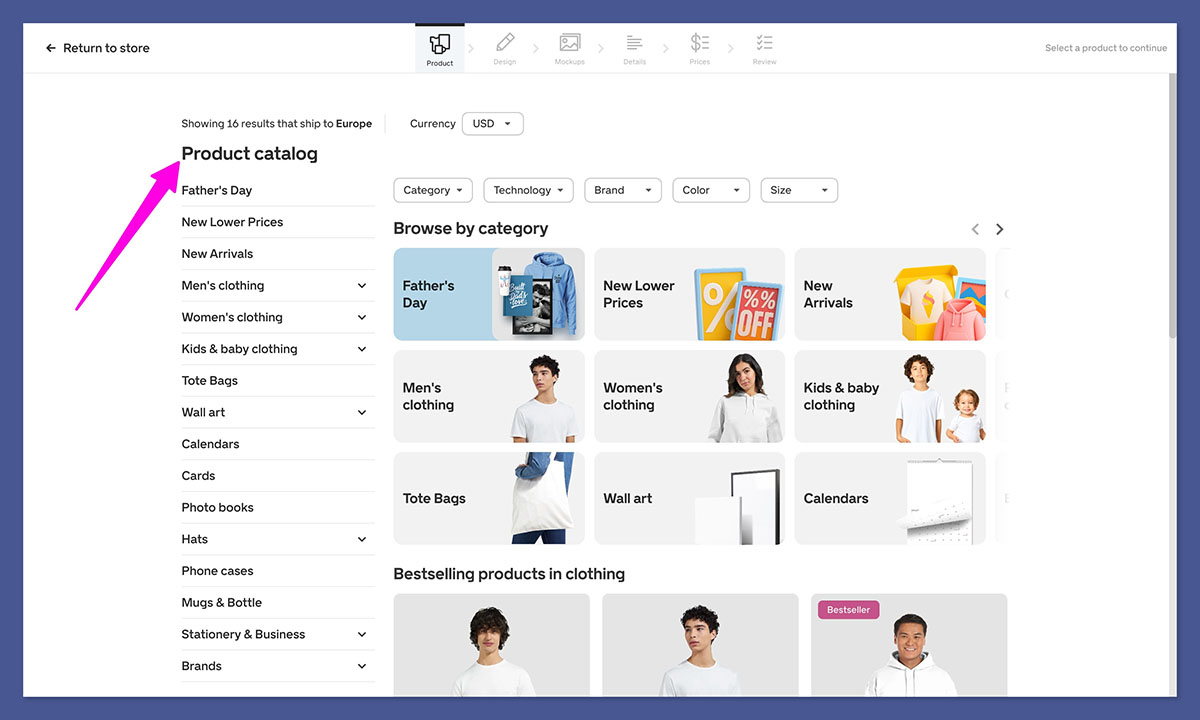
If you’re looking for exceptional quality, heavy-weight t-shirts (240+ GSM) are usually a good starting point, hoodies should be somewhere in the 300-400 GSM range. You might want to look at the brands behind the blank too. For instance, companies like Stanley/Stella, and AS Colour have a great reputation for producing retail-grade garments, if you’re going to be selling clothing.
Consider the other factors that might appeal to your audience aside from fabric weight too, for instance, some customers will be more drawn to sustainable or eco-friendly materials, for instance, particularly if the manufacturer has certification.
Order a couple of samples of the blanks you like, even without a design, to begin with and see how they look and feel at home before you commit to a collection.
Pick The Right Printing Method
I said before that embroidery usually does come across as more premium than many other forms of printing, but it’s not going to be right for every product or design. Embroidery is a great choice if you’re adding simple designs to a hat, tote-bag, or polo shirt, for instance.
Screen printing, on the other hand, is a better option if you’re going to be printing bold graphics with lots of vibrant colors. It can also give you excellent coverage on darker fabrics. Direct-to-garment printing is the most common option for things like t-shirts and hoodies. It works well with colorful artwork, gradients, and detailed designs. It can also feel a lot softer than a thick screen print.
Direct-to-film is less common, but it may be a good choice if you’re going to be adding detailed artwork to polyester or mixed fabric pieces. If you’re really not sure which is going to work best, I’d order a few samples using your actual artwork, don’t just decide the most expensive printing method is going to be the most luxurious one.
Choose Designs with Longevity
There are times when large, bold designs make sense for a premium brand, but more often than not, minimalist, simple designs have a wider appeal. Unless you have the brand recognition of a company like Nike, most people probably won’t be attracted to a t-shirt that’s 95% covered by your logo.
Nobody wants to feel like a walking advertisement. Start by testing a handful of designs linked to things your audience already cares about. For instance, gaming influencer CoryxKensin created a range of samurai-inspired merchandise, with simple images printed on high-quality hoodies and t-shirts. What’s good about the collection is that it appeals both to members of the creator’s existing community, as well as people who just enjoy the art style.
Once you’ve got a handful of designs in mind, think about placement carefully too. A small embroidered piece on the chest pocket of a sweatshirt could look wonderfully premium, while a detailed illustration might take up the whole back of a t-shirt.
The goal is to create a small collection of products people would want to buy even if they didn’t know your brand, and expand based on what kind of feedback your audience gives you.
Pick a Premium Production Partner
If you’ve been browsing through blanks already, you might have an idea of what kind of print on demand partner you’ll be considering working with. Don’t make the mistake of narrowing your list down based exclusively on who offers you the cheapest base prices.
There are three companies I’d probably recommend first for brands focusing on premium merch, and they each have their own specific benefits.
Fourthwall, for instance, is probably the best choice if you’re creating a premium merchandise brand from scratch. The catalog you get is a little smaller than what you might see from something like Printify, but everything’s retail grade, and the signature collection in particular is excellent.
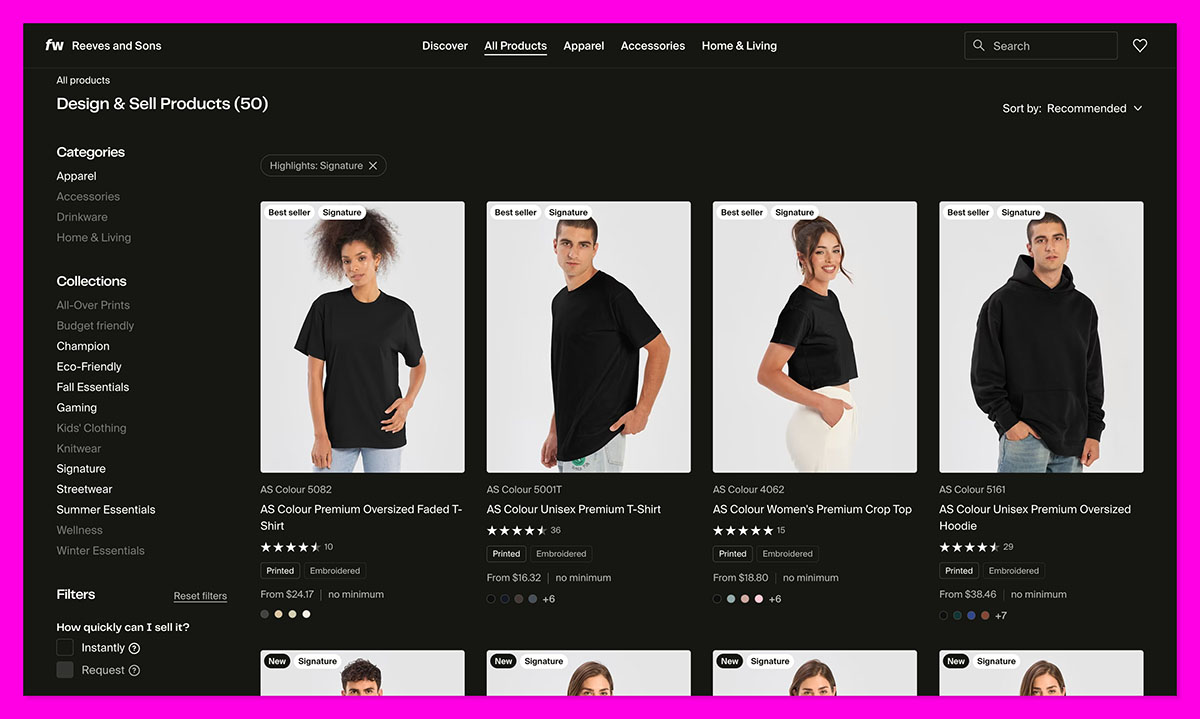
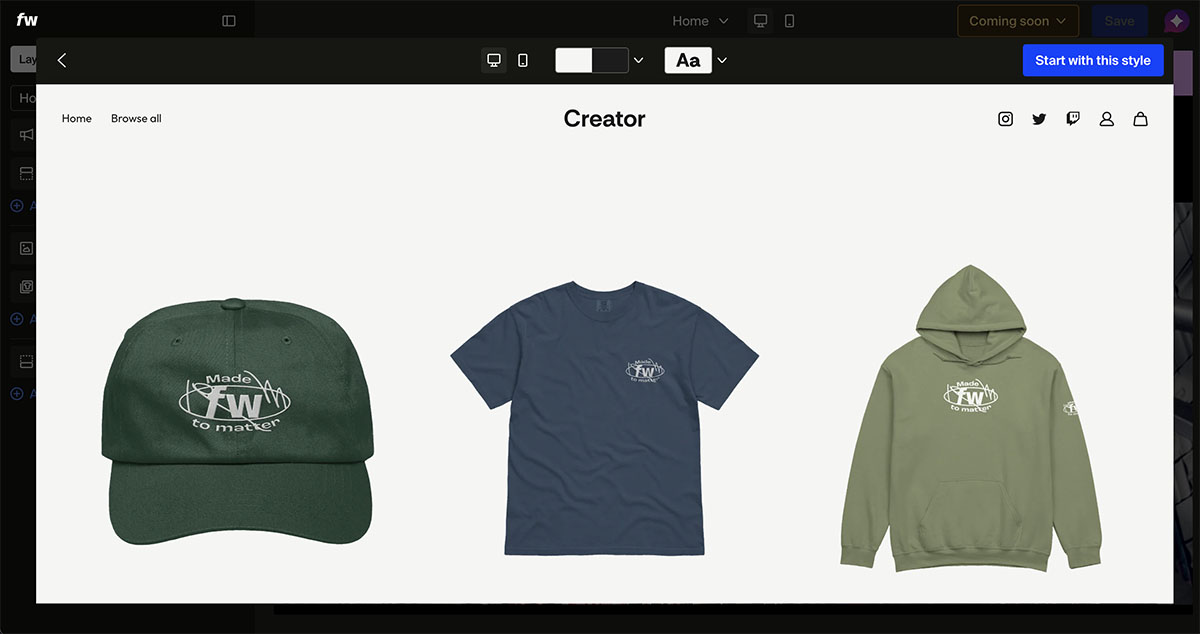
Plus, alongside a luxury catalog, Fourthwall gives you a customizable storefront, customer support assistance for items ordered from their collection, and merchant of record tax services. There’s no monthly subscription cost, you control your retail prices, and you can even expand into selling other products too, like digital downloads or subscriptions.
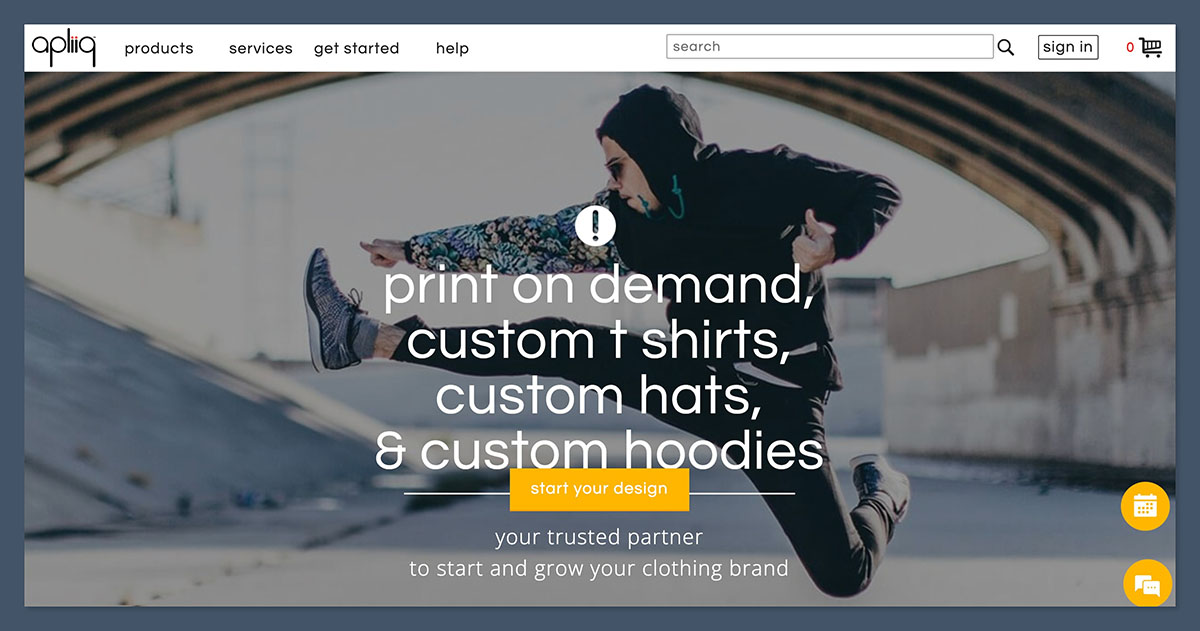
Apliiq, on the other hand, might be the better pick if you’re selling premium apparel, and you know how much the little details matter. It offers folded and flat woven labels you can have sewn into hems, sleeves, or necklines, and it’s got some brilliant products on offer, like streetwear and custom jackets.
If what you need more than anything else is variety and excellent embroidery, Printful is an easy choice. It even offers 3D puff stitching on certain hats, as well as unlimited-color stitching for detailed designs, although you do pay a bit extra for premium printing methods.
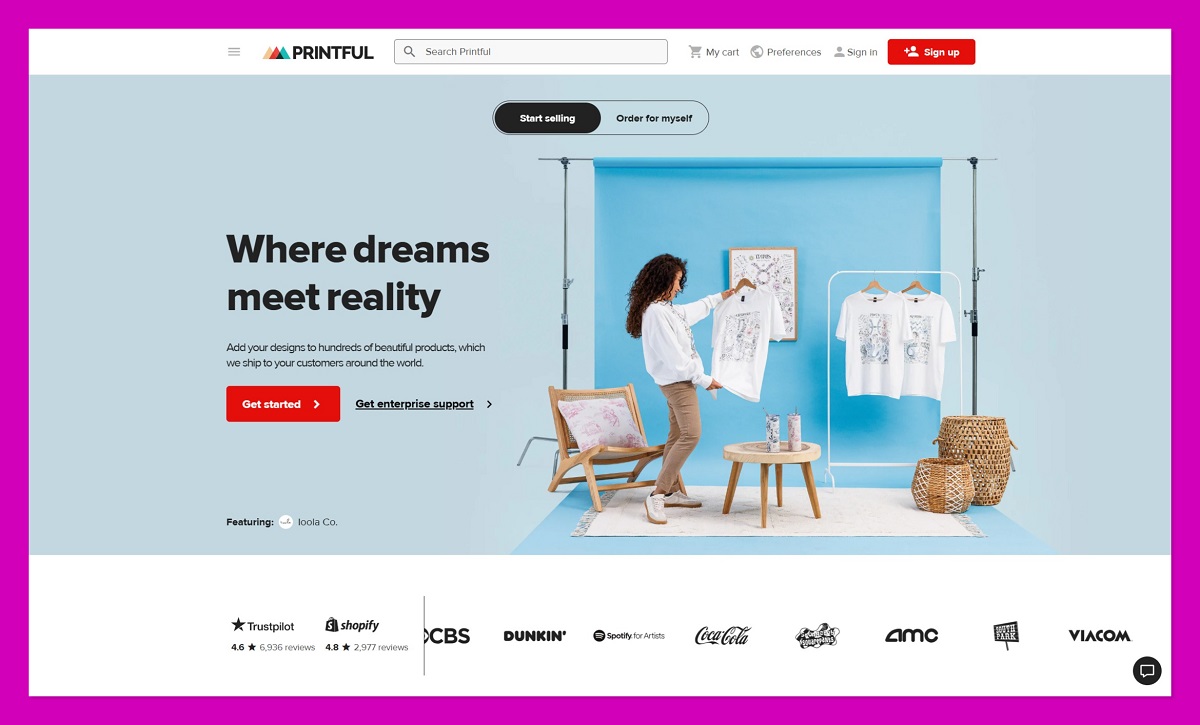
Printful gives you some great custom packaging and branded pack-ins to experiment with too, so if you’re interested in adding the premium feel to your customer’s unboxing experience, it could prove to be an excellent partner.
Add the Finishing Touches
Brands can spend a surprising amount of time and effort choosing the best materials and designs for their custom merch, then still end up ruining their “premium” reputation by shipping a garment in a plain plastic bag. Sometimes the little details really do make all the difference.
Before packaging, look at the small things you wouldn’t expect to see on a standard low-cost t-shirt, such as prints around the neck or sleeves, or custom tags from somewhere like Apliiq.
Then think about the overall unboxing experience. A simple generic package can still be fine, but if you can add your logo to it, a sticker, or some protective bubble wrap, you can instantly distinguish yourself from other sellers.
Some print on demand partners will also let you add little extras to the parcel, like a custom thank-you note for every order, or an insert with a QR code linking back to your website, or an upcoming product collection’s launch page.
Test Before Launch
I always recommend getting samples to anyone getting involved with print on demand, but it’s particularly important if you’re trying to earn a reputation as a “premium” brand. Samples give you a chance to put the product you’re offering to the test.
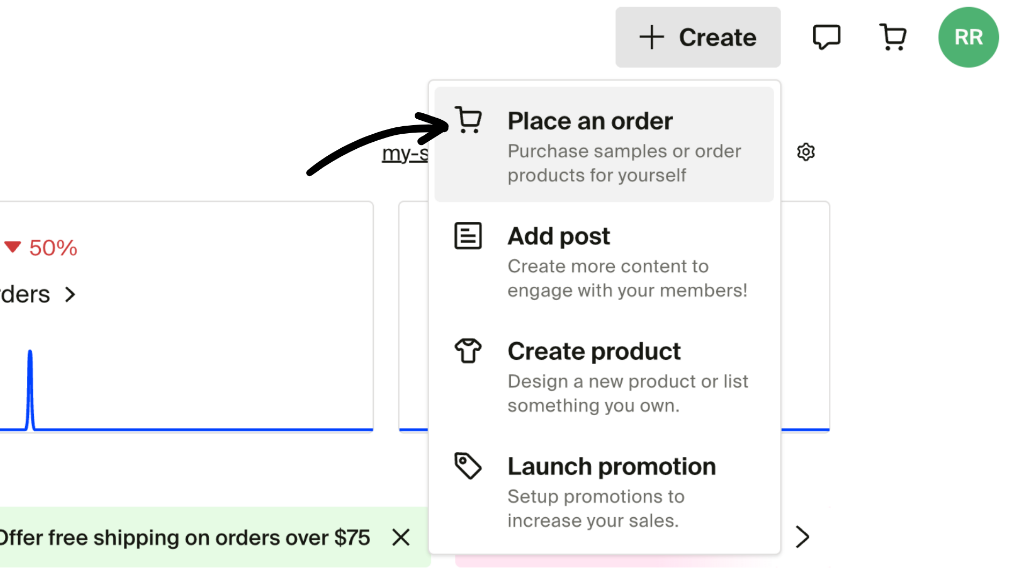
You can see what the packaging looks like, and how the unboxing experience feels, plus you can learn a little more about how long it takes for an order to arrive.
Once you’ve got the item, check the weight of the fabric, and make sure the stitching and printing is perfect, too. Plus, you can test the sizes for yourself, making sure any details you’re going to give customers on your product page are as informative and accurate as possible.
I’d also wash the samples you get a few times too, if you’re ordering apparel, that should give you a better idea of whether the colors run or the prints start to crack after regular wear. If you notice an issue like that early, you can consider using a different blank or printing method.
Price Your Merch Like a Premium Product
If you’re launching a relatively new premium collection, and you know there’s a lot of competition around, it can be tempting to keep the price as low as possible to avoid scaring budget-conscious customers away. Unfortunately, that can end up hurting you in a few different ways.
First, premium products cost more to produce. If you end up spending $25 to make a stunning heavyweight t-shirt and then you sell it for $30, you’re harming your profit margins straight away. Even if you just offer that price initially, to try increasing initial sales, you’ll be setting expectations that might come back to bite you later on.
Additionally, sometimes a lower price can actually make customers question how luxurious the product really is. People expect to pay a little more for quality, so they may not trust you if you claim to be selling a sustainable heavyweight hoodie for the price of a standard pullover they could get anywhere else.
Figure out the exact price you’re going to be paying to make and ship your products to your customer, then give yourself a profit of around 20-40%. If you’re not sure whether the pricing seems right, compare your numbers to what you’re seeing from similar brands, or even consider asking your community what they’d be willing to pay for whatever you’re selling.
Build Your Way to A Premium Merch Brand
The one last piece of advice I want to give you here before you go off to start building your premium collection, is don’t rush into doing too much too fast. In the world of premium merch, quality beats quantity. Start with a few pieces you would absolutely wear yourself, get the design and printing method right, then test each piece carefully before you list it for sale.
When you start getting orders, pay attention to what proves to be the most popular, and listen to the feedback customers give you about everything from the material, to the sizing, to the designs they’d like to see next. If everyone loves the artwork but hates the fit, for instance, you know what you need to fix before you move onto a new collection.