Right now, it feels like the only way is up for fitness apparel. Ever since the pandemic, demand for comfy, stylish, but athletic clothing has gone through the roof. In fact, some analysts say that the market will be worth about $720 billion by 2034.
So, if you’re passionate about physical health, and you’re keen to become the next Nike, I get the appeal. I also get why a lot of people have waited so long to jump in. Creating any kind of clothing brand used to be time-consuming and expensive.
Fortunately, we now have a new avenue to explore: print on demand. With partners like Printful, Printify, and Fourthwall, anyone can create a fitness brand without having to source products personally, store them, manage the designs in-house, or ship them to customers.
Here’s exactly how you can use this business model to make your business dreams a reality.
How to Start a Fitness Clothing Line
First bit of advice, before we dive in, try to show some restraint. I know it’s tempting to jump in with a huge collection and a massive promotional plan. The easier (and less expensive) option is always to start slow, with one audience, a handful of products, and a simple store that can grow with you.
Step 1: Do Your Research and Pick a Niche
I know you’ve already chosen “fitness clothing”, not just “apparel”, but you need to go deeper than that. Are you going to sell athleisure, products for runners, power lifters, or busy parents trying to stay healthy? What kind of age range are you looking at?
Gen Z are leading the way as the biggest exercise fans in the UK, for instance, but there are plenty of older audiences looking for fitness apparel too.
If you already have an audience on social media, check their demographics, and their preferences. Run a poll asking what kind of products they’d like to buy. If you’re starting from scratch, get online and browse through Reddit forums, check out the top-selling products on similar sites, use Google Trends for insights into common searches, and read reviews on Amazon.
You should end up with a very specific target audience, such as: “Eco-conscious athleisure for busy parents.”
Step 2: Plan Your Starter Collection
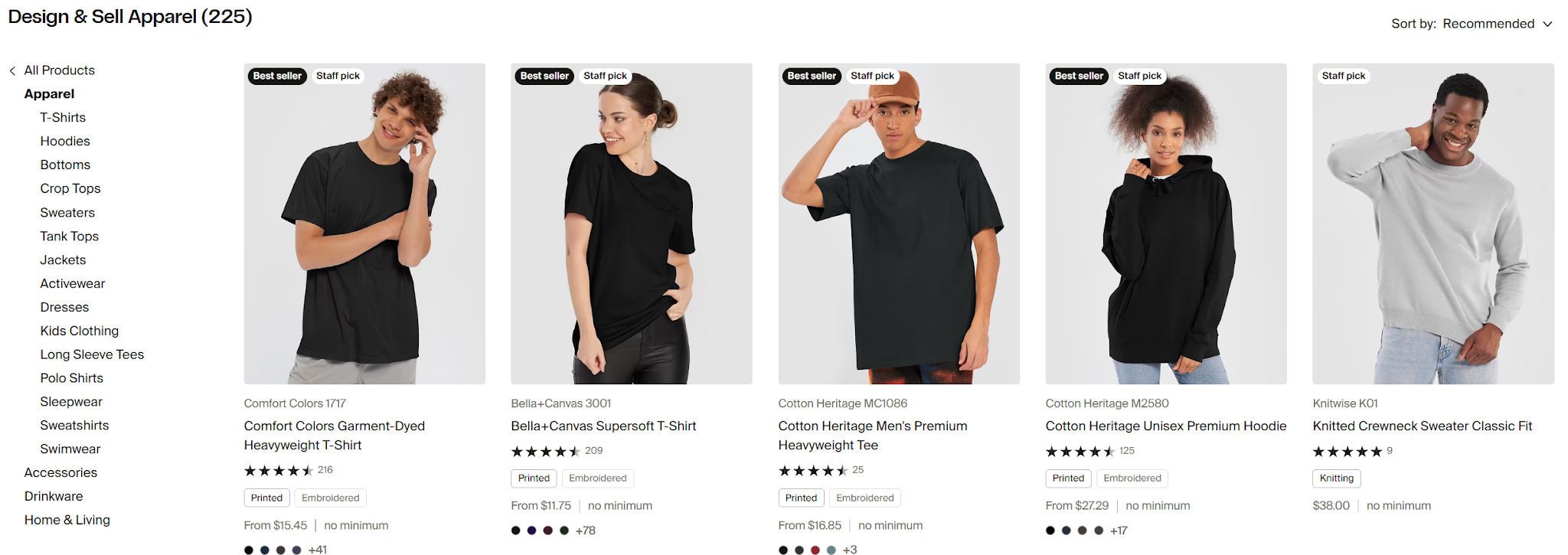
This is where the “restraint” suggestion comes in, you don’t need a multi-page catalog from day one. Of course, you can certainly choose a lot of options if you’re using print on demand, since you don’t actually have to pay for your stock in advance. Still, the more products you pick, the more work you’re putting on yourself.
Think about the kind of collection your target audience would probably need. Maybe a couple of t-shirts, a few pairs of shorts and leggings, two hoodies, a reusable water bottle, a cap, and a backpack for carrying gear. Possibly a couple of pairs of joggers too.
Companies like Fourthwall give you a lot of options so you can choose what appeals most to your customer, like crop hoodies, tank tops, and windbreakers for outdoor athletes. Take your time browsing through, and see what fits your first collection. Keep in mind that you might not want to stick exclusively with very expensive premium products to begin with.
That doesn’t mean you should underprice anything, but it’s good to give people options based on their budget. You can always add extra later.
Step 3: Source Your Products
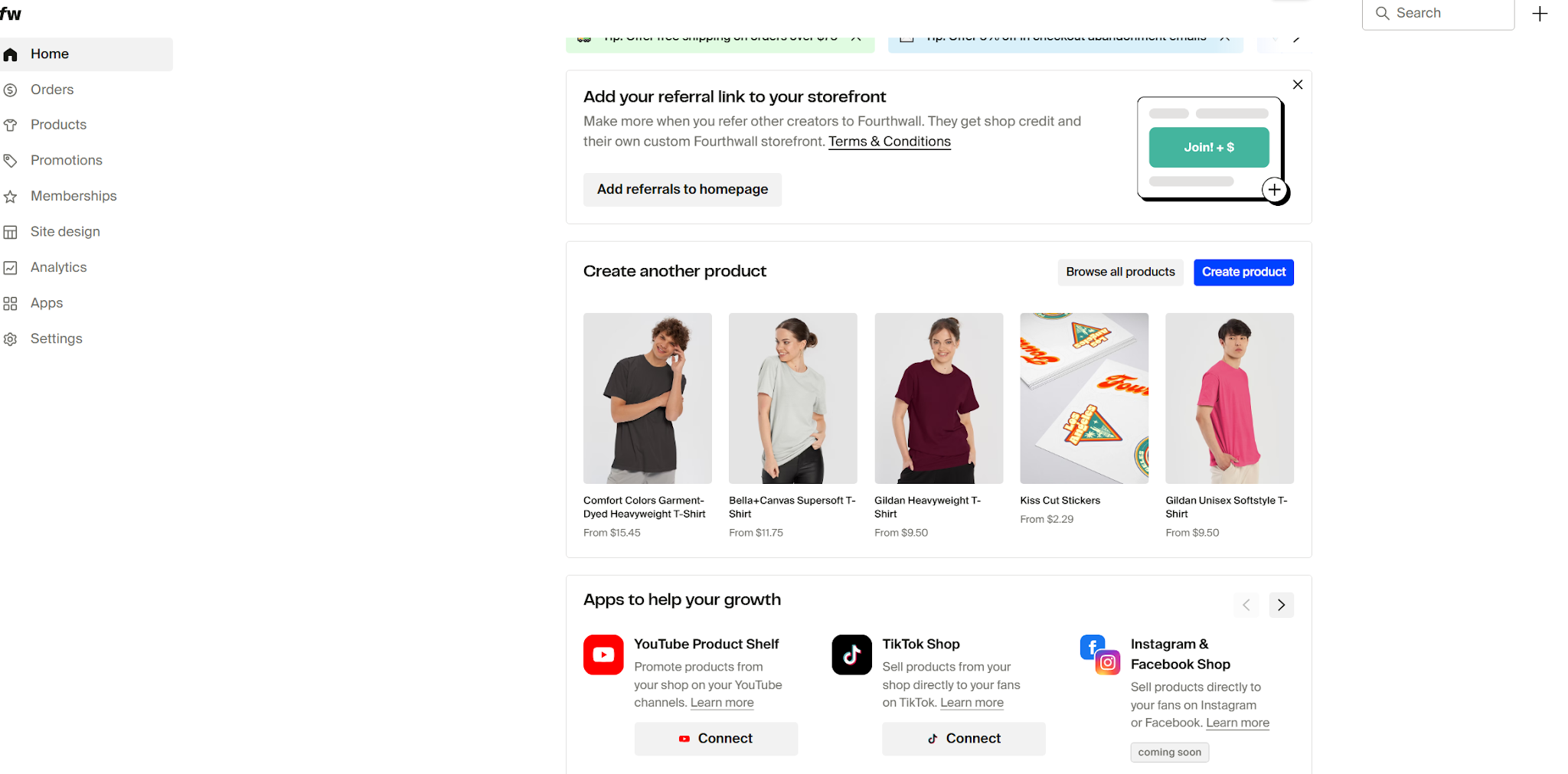
Now you need to actually get your products ready to sell. There are obviously various ways to do this. You can try designing in house or partnering with a bulk manufacturer somewhere.
I think print on demand is the easier option. The order comes before the product, so you’re not taking any risks. You list an item, the customer buys it, then you pay the base cost and keep the difference.
The platform choice for print on demand comes down to what really matters for you. Printful is a good option for a lot of sellers, with hundreds of high-quality products, and great design tools. Printify is excellent too, with lots of supplier options so you can compare on cost and quality.
Still, both of those do mean you have to set up a store elsewhere (on Shopify for instance). If you want the faster, easier route, I’d choose Fourthwall.
It gives you a storefront, direct access to a premium catalog of retail-grade products, and the opportunity to explore different monetization routes in the future without apps. You can sell POD right alongside custom-sourced products, digital downloads, and memberships.
The membership option is particularly interesting, because it means you can sell gym clothes, right next to a subscription for a premium fitness channel.
Plus, Fourthwall handles more for you than most other POD platforms. It deals with customer support for the products in its catalog, and acts as your Merchant of Record for tax. That’s less work on your plate, so you can actually concentrate on building your brand.
Step 4: Start Designing
There are actually two main things you need to design when you’re starting a clothing line. The first is your brand, which sounds like a huge task, but it can be easier than you think.
All you really need is a name people can remember (you may already have that if you’re a creator, startup, or non-profit), an overall aesthetic (logo, color palette, images), and a voice that resonates with the right target audience.
My advice is to look at the products you’re going to be selling, and your target audience, and define your brand by the one thing you’re going to promise. It might be something like “[Brand Name] sells [product] to help busy parents stay fit outside of the gym.”
Once you have your brand, you design your products.
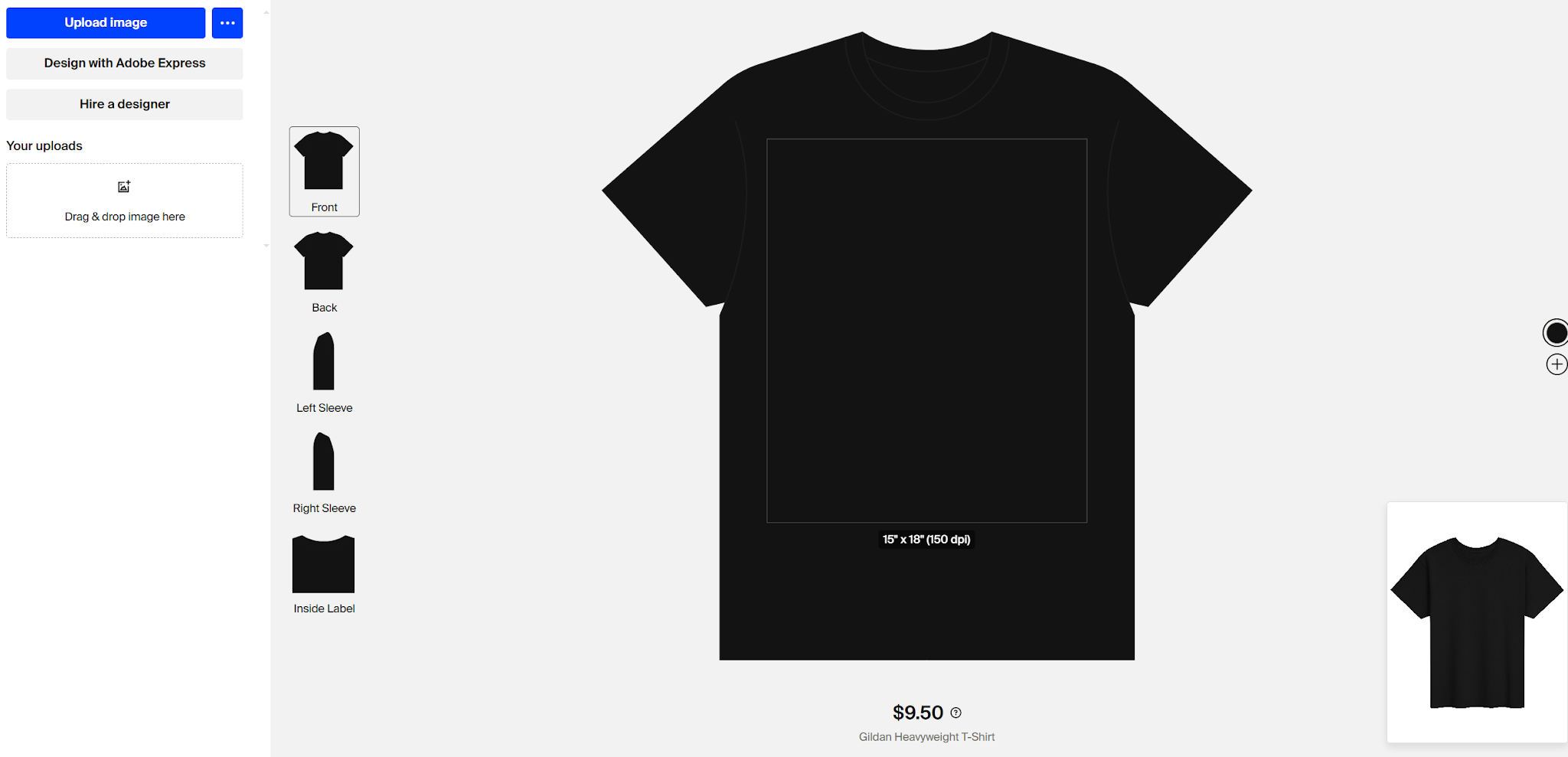
Again, you’ve got a few ways to do this. You might already have custom designs in mind, or you might choose to work with someone professional. Fourthwall actually lets you hire a designer straight from their product editor page.
Think about your audience here. What do they already like? Do they have any in-jokes or passions you’re aware of? Use those. Feel free to experiment. After all, if a design doesn’t sell, it won’t cost you anything, you can just trash it and introduce something new.
Step 5: Build Your Store
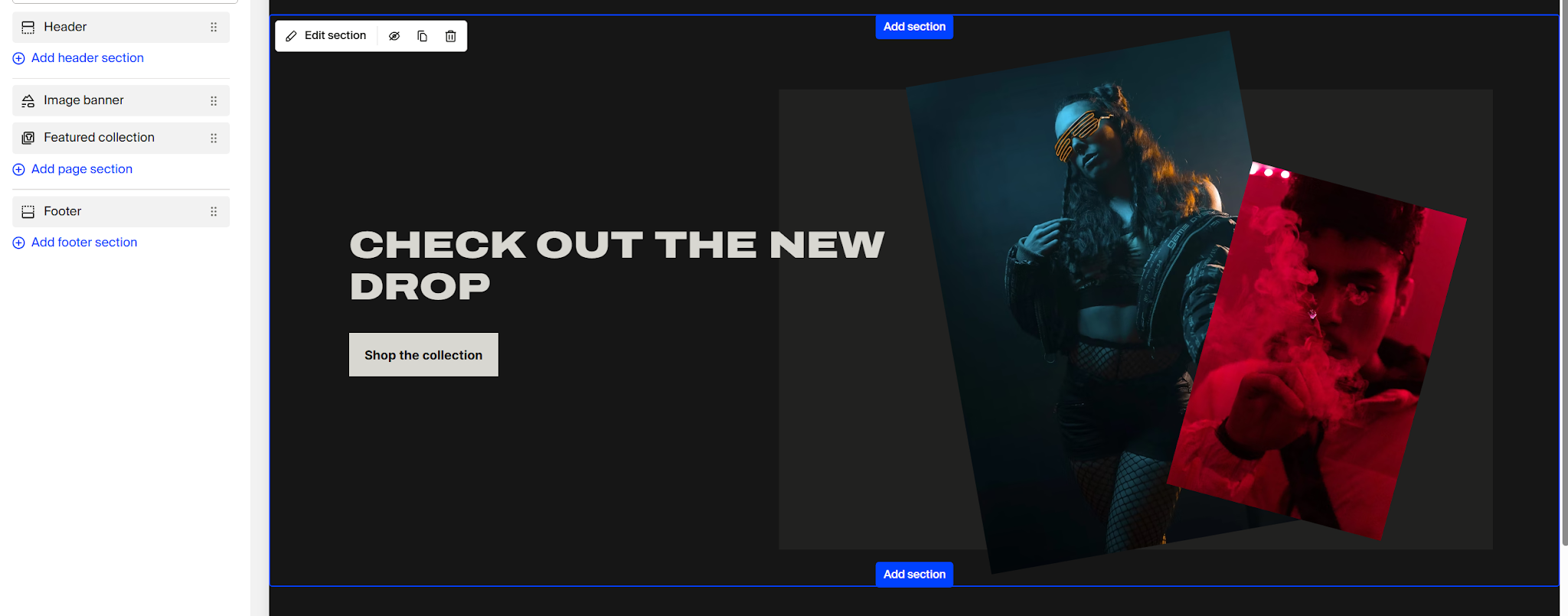
Usually, a store for a fitness line doesn’t need fifty pages straight away. No matter what you see on Lululemon or Adidas’ websites. I’d start with the basics. A homepage, a store page, About Us, Contact page, shipping and returns, and a size guide. Of course, individual product pages too.
They should be packed with useful images (of people actually wearing your products in active scenarios), and they need descriptions that explain what the garment feels like, how it fits, what its unique features are (is it breathable or eco-friendly), and what it costs.
On Fourthwall, each page is very easy to set up with the no-code store builder, and you can usually get a website “launch ready” within less than a day.
One bit of advice: build your homepage around one clear sentence. Something like “Heavyweight training gear for lifters ready to ditch the gym”. If you have multiple products to sell (like memberships, alongside hoodies, shorts, etc), use categories too. That’ll make it much easier for customers to find what they need.
Step 6: Launch and Promote Your Brand
One quick thing about launching, don’t make the mistake of under-pricing everything when you first launch just to get quick sales. That rarely works well, and it can drive customers away the second you try to increase your margins. Be sensible.
Once everything is ready, you can set your store to “live” mode, and start pulling in customers with things like social media videos, influencer collaborations, or exclusive events. Fourthwall is great for promoting on social media, since it connects directly with the channels you already use.
A good option is to actually start promoting before you launch. Tease the drop with sample photos, countdown timers, and a limited-time discount for people who sign up for your email newsletter before the first product is ready. Collecting email addresses early on is a great way to keep customers coming back after they make their first purchase.
Use a mixture of promotional methods based on what makes sense for your brand. Social media marketing and influencer collaborations are obvious for most fitness fans. Still, content marketing, with blogs or fitness tutorials can be great for bringing in customers.
Paid advertising can help too, if you want to get attention to your items quickly, and you’ve got the budget. Pay attention to what works, and build your marketing plan as you grow.
Step 7: Scale Sensibly
After you get your first few sales, you’ll probably start thinking about what’s next. That’s definitely true if you’re using Fourthwall, since there are fewer tax headaches and customer service issues to worry about. My advice is to take it slow.
If you notice you’re getting the best sales from hoodies and crop tops, add a few extra designs. If one design works better than others, expand it with a collection. A tank can have a matching t-shirt, hoodie, or pair of joggers.
If everything’s going well but your customers still want more, consider digital downloads and memberships. You could sell fitness plans, workout calendars, or memberships to communities where you post an exercise video every week. Fourthwall lets you do all that without having to pay for extra apps and plugins.
You can also get experimental with limited-time drops and exclusive batches of special merch, like community pins or plushies. Just make sure you already have a committed audience before you take that route.
Launching Your Own Fitness Clothing Line
I still remember when launching any kind of clothing line seemed like a dream reserved for people who just happened to have hundreds of thousands of dollars in extra cash. Now anyone can do it. Print on demand makes it so easy to get started, without any upfront costs.
Fourthwall, in particular, doesn’t charge you anything to get started, and the product collection is incredible, covering everything from performance shirts to sports bras, gym shorts, hoodies, athletic hats, leggings, and water bottles.
You can launch a store and a collection without connecting apps to ecommerce platforms, and you can focus on building your brand while Fourthwall handless the annoying stuff.
If you’re still on the fence, my advice is to try something out. There’s no risk to getting started here. In fact, it’s riskier to sit around doing nothing while the fitness industry explodes without you.