Every embroidery-website fantasy looks the same. A Shopify store live in a weekend, a viral TikTok by Week 2, a Printful dashboard quietly filling with orders while you sleep. Reality runs quieter.
The store goes up, your first embroidered mockup looks flat, the digitization fee eats your margin on a $4 profit hat, and nobody told you that Printful, Printify, and Fourthwall each embroider differently with different thread color limits and wildly different base costs.
You can still learn how to start an embroidery website selling POD products for under $300 in upfront costs and start generating real revenue inside 60 to 90 days. It just takes the right supplier match, a product line built for the embroidery constraints (not against them), and pricing that accounts for the digitization fee most beginners forget.
The embroidered apparel market is projected to reach $6.1 billion by 2035, and POD is capturing a growing share as creators and small brands skip the machine-and-warehouse route entirely.
A home website business can carve out a living here without ever touching a hoop. Most new founders fail not because the market is tight, but because they pick the wrong supplier for their product, design past the 6-color limit, or price like DTG when embroidery costs 2x more.
This guide walks through the 8 decisions in the order a first-time founder actually hits them. Which POD supplier to use. Which storefront platform to build on. How to design for embroidery without the file coming back as an unreadable blob.
How to price with digitization fees baked in. How to stay out of trouble with Disney, the NFL, and your state tax board. And how to find your first customers without relying on Etsy, where over 300,000 embroidered listings already compete for the same monogrammed-tote buyer.
Step 1: Pick the Right POD Supplier for Embroidery (Most Beginners Get This Wrong)
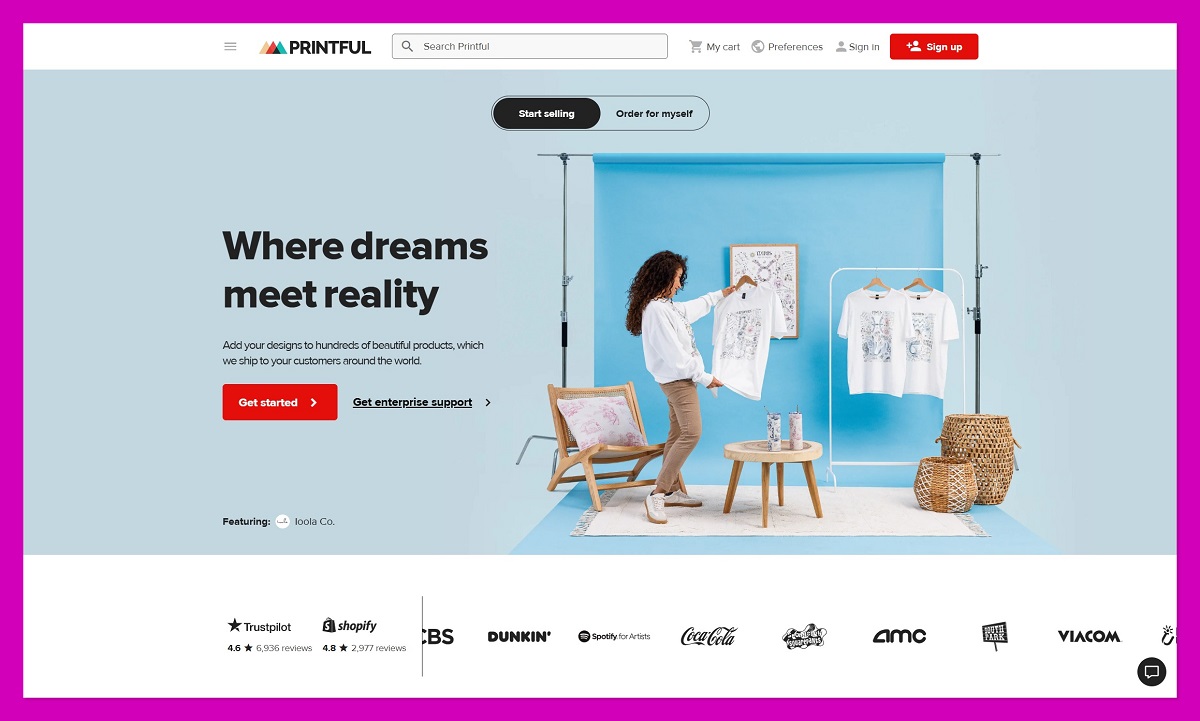
If you’re reading this in 2026 and want a single answer, Printful is the most common starter for a POD embroidery website. The catalog covers 192+ embroidery-capable products, the quality is consistent, and the integrations with Shopify, Etsy, and Fourthwall are mature. It’s not the cheapest base cost, but it’s the lowest-regret starting point for a first store.
Supplier choice dictates everything downstream. The product catalog caps what you can sell. Digitization fees determine your first-order margin. Thread color limits shape what designs survive the transfer from screen to stitch. Fulfillment time determines how many “where’s my order” emails you answer per week.
Here’s the POD embroidery supplier landscape, laid out:
| Supplier | Digitization fee | Thread color limit | Catalog size | Fulfillment | Monthly fee | Best for |
|---|---|---|---|---|---|---|
| Printful | $2.95 to $6.50 per design, waived at 25+ items | 15 thread colors, multiple techniques | 192+ embroidery products | 2 to 5 business days | Free, or $24.99/mo Growth | Quality-first, broad product range |
| Printify | Free (mandatory in-house digitization) | 6 thread colors from 15-color palette | Varies by print provider | 2 to 7 business days | Free, or $29/mo Premium | Lowest base costs if you test providers |
| Fourthwall | Included in flat per-product fee | 6 thread colors typical | Curated catalog + Signature collection | Varies by partner | $0, flat fee per product sold | Creators building a branded storefront |
A few nuances worth knowing:
- Printful charges separately for digitization, flat embroidery, 3D puff embroidery, and unlimited color embroidery (the last adds $3.50 per product). The $6.50 fee is one-time per design and stored in your account forever. Order 25+ units in a single order and digitization is free across the order.
- Printify folds digitization into the product cost with no separate fee, but the trade-off is you cannot upload your own stitch file; they digitize it in-house, which can produce small variations between similar designs. Six thread colors is a hard cap.
- Fourthwall is the creator-first option. Product costs are listed publicly in the catalog, there are no percentage cuts on POD, and they handle customer support for catalog orders. Better fit for founders building a brand than operators running a pure margin play.
Two traps to avoid:
- Thinking all POD suppliers embroider the same way. A design with 12 thread colors works fine on Printful’s unlimited color embroidery, breaks entirely on Printify (6-color cap), and may force a redesign on Fourthwall. Design for the lowest common denominator if you plan to multi-supplier.
- Choosing on base cost alone. Printify’s base cost on a Bella+Canvas 3001 tee is often $2-3 cheaper than Printful, but quality varies by print provider, and a single bad batch of refunds erases the margin difference across hundreds of orders.
My picks by profile:
- First store, want it live this weekend: Printful. Highest predictability, best integrations, you can test the embroidery quality with a sample in a week.
- Creator audience, want the branded storefront built in: Fourthwall. Storefront + POD + customer support in one platform, with premium-feel Signature products that don’t look like a commodity catalog.
- Running on margin, willing to test providers: Printify. Lower base costs on the same blanks, but budget time for sample orders across 2-3 print providers before you commit.
- Already doing $10K+ per month: Run Printful as primary for embroidery and layer Printify as a secondary for DTG products where base cost matters more.
Start with Printful for the first 60 days if you’re unsure. You can migrate a Shopify or Fourthwall catalog to a different supplier later without moving the storefront.
Step 2: Pick Your Storefront Platform (Shopify vs. Etsy vs. Fourthwall vs. Creator Tools)
You don’t need to build a custom Shopify theme in Year 1. Most successful POD embroidery brands launch on one of four stacks, and picking the right one up front saves you a migration in Month 4.
Four paths, with honest tradeoffs:
| Platform | Monthly cost | Best for | Main limitation |
|---|---|---|---|
| Shopify + POD app | $29 to $79 per month + app | Owned brand, full control, paid traffic | Higher learning curve, you own all support |
| Etsy + POD integration | $0.20 per listing + 6.5% transaction | Monograms, personalization, organic search traffic | You compete with 300,000+ embroidered listings |
| Fourthwall | No monthly fee, flat fee per product | Creators with audiences, built-in storefront | Less custom design control than Shopify |
| TikTok Shop + POD sync | No monthly fee, 5% transaction (as of 2026) | Viral-driven product launches | Algorithm dependency, narrow product fit |
1. Shopify. The default for founders building an owned brand. Shopify’s $29 Basic plan is enough to start, and Printful, Printify, and third-party embroidery POD apps all integrate natively.
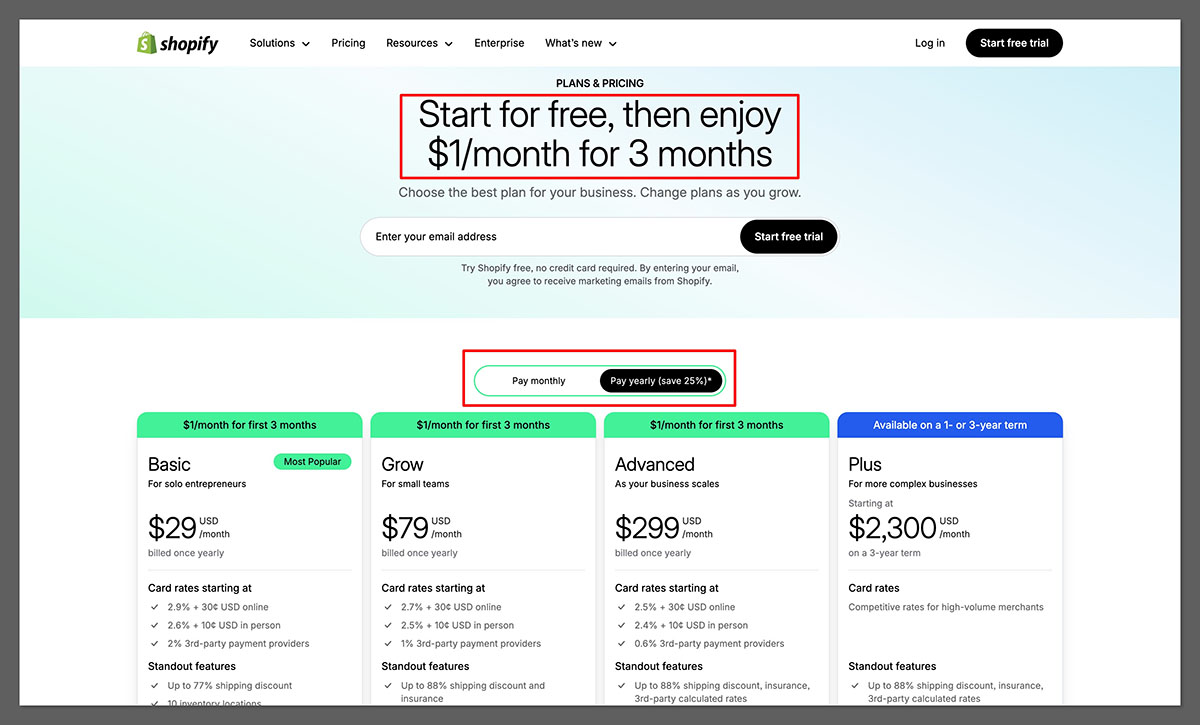
You’ll pay transaction fees unless you use Shopify Payments. Expect to spend 10 to 20 hours setting up the theme, product pages, and essential apps (reviews, email capture, abandonment recovery).
2. Etsy. The default for founders who want traffic on Day 1 without running ads. Built-in buyer base for monograms, personalization, and gift niches. The downside is extreme competition and race-to-the-bottom pricing in saturated categories. Best paired with a personalization-focused POD product (embroidered name hats, monogrammed totes, custom pet bandanas).
3. Fourthwall. The default for creators, streamers, podcasters, and brand-led founders. The storefront builder is no-code, customer support is handled for catalog orders, and the Signature product collection feels a tier above typical POD blanks.
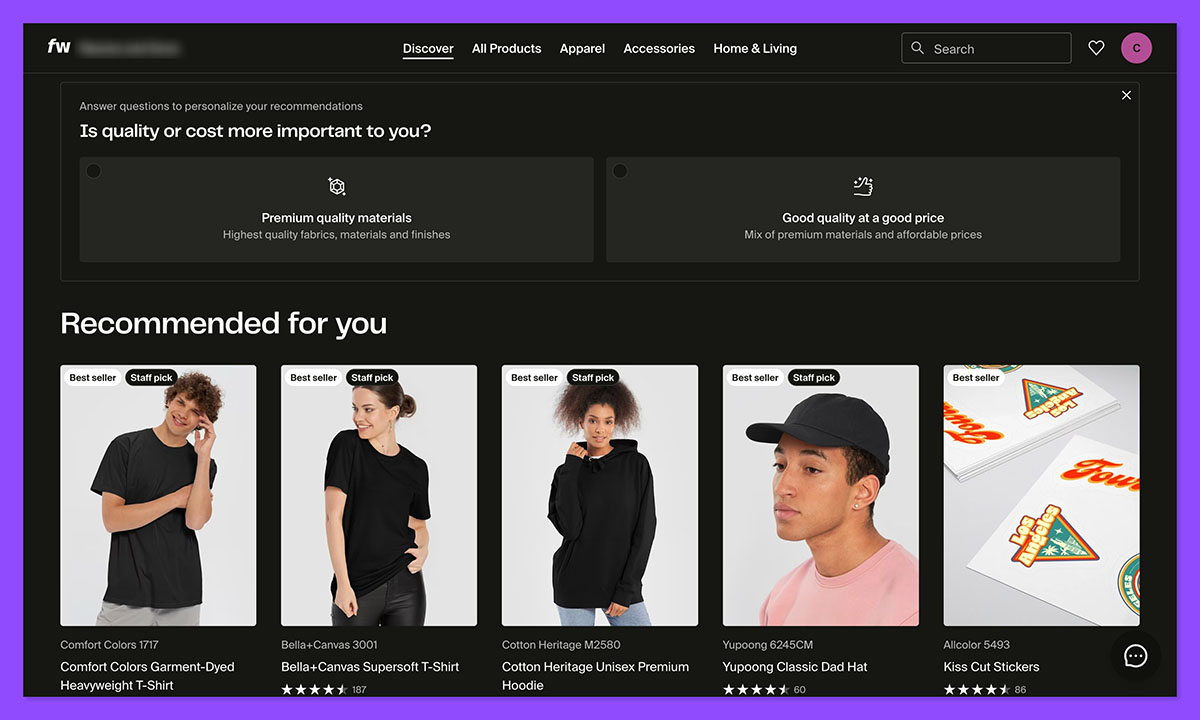
Product costs are listed as flat fees with no percentage markup, which makes margin math predictable.
4. TikTok Shop. Not a standalone storefront, but worth mentioning as a secondary channel for founders whose audience lives on TikTok. Most POD suppliers now sync natively, and embroidered niche products (pet names, boat names, team logos) perform well in short-form video demos.
My rule of thumb: start on Shopify if you plan to run paid ads or build a brand. Start on Etsy if you’re selling personalization and want fastest path to first $500. Start on Fourthwall if you already have an audience or are building a creator brand. Don’t overthink the choice in Month 1; you can always add a second channel once the first is cash-flow positive.
Step 3: Set Up Your Tech Stack and Sample Every Product You Plan to Sell
Running a POD store means you never see the product until a customer complains about it. The fix is ordering samples of every single SKU before you list it, not trusting mockups and product photos from the supplier catalog.
Minimum viable tech stack:
- Domain: $12 to $15 per year from Namecheap, Porkbun, or Cloudflare. Skip the overpriced .com from GoDaddy.
- Storefront plan: Shopify Basic ($29/month), Etsy (pay-per-listing), or Fourthwall (free).
- Email capture tool: Klaviyo free tier up to 250 contacts, or Mailchimp free up to 500. Both integrate with Shopify in one click.
- Mockup tool: Printful and Printify’s built-in generators are enough for 80% of launches. Placeit ($14.95/month) is the upgrade if you want lifestyle shots.
- Design tool: Canva Pro ($15/month), Figma (free for solo), or Adobe Illustrator if you already have Creative Cloud.
- Review app: Judge.me free plan for Shopify, or the native reviews feature on Etsy and Fourthwall.
That’s it. Your total tech stack runs $40 to $80 per month before you spend a dollar on ads.
Your first $200 in samples covers the non-negotiable testing list:
- Every product you plan to list. One sample per product, one per embroidery technique (flat, 3D puff, unlimited color).
- At least two color variants per product. A logo that looks sharp on navy can disappear on heather gray.
- Your actual production design, not a placeholder. The 6-color limit catches more beginners in the sample stage than any other constraint.
- A single-item and a multi-item order. You test fulfillment speed, packaging consistency, and whether the supplier’s shipping estimates are honest.
Reorder samples when you add a new product or change a technique. Printful and Printify both offer sample discounts (20 to 30 percent off) once your store is live. This is the discipline that separates a brand from a dropshipper.
Step 4: Master Embroidery Design Constraints (This Is Where Beginners Fail)
Ask any POD embroidery seller with two or more years of experience what they’d tell a beginner, and the answer is almost universal: designing for embroidery is the hardest part. Not picking a supplier. Not the storefront. The design file. Get this right and your first 100 orders don’t come back with unreadable letters, blurred gradients, and angry reviews.
Design fundamentals for embroidery:
- Keep letters at 5mm or taller. Anything under 4mm becomes an unreadable fuzz. For monograms and small text, use block or sans-serif fonts, never thin serifs.
- Limit thread colors to 6 on Printify and Fourthwall. Printful supports more through unlimited color embroidery, but that adds $3.50 per product and changes the technique.
- Avoid gradients and photo-realistic images. Embroidery stitches are discrete color blocks. Gradients become banded, photos become unrecognizable. Vector art with solid fills is the target.
- Think about stitch count, not image resolution. A dense 20,000-stitch logo on a hat feels stiff and cracks over time. Aim for 8,000 to 15,000 stitches on apparel, under 10,000 on hats.
- Size the design to the placement. Left-chest logos are 3 to 4 inches wide. Full back designs go up to 10 inches. Hat fronts are 2 to 2.5 inches tall. Design at the final size, not oversized and scaled down.
Embroidery technique cheat sheet by product:
| Product type | Recommended technique | Notes |
|---|---|---|
| T-shirt (cotton) | Flat embroidery, left chest | DTG + embroidery combo available on Printful |
| Polo shirt | Flat embroidery, left chest | Best-margin embroidery category for B2B |
| Hat (structured) | Flat or 3D puff | 3D puff adds premium feel for front logos |
| Hat (dad cap, unstructured) | Flat embroidery | 3D puff often doesn’t hold shape on soft crowns |
| Hoodie/sweatshirt | Flat embroidery or unlimited color | Heavier fabric handles denser stitch counts |
| Tote bag | Flat embroidery | Canvas is a forgiving fabric for tight designs |
| Beanie | Flat embroidery, center front | Limited placement area, design small |
Three quick diagnostics when a sample comes back wrong:
- Letters unreadable. Design too small (under 4mm), fonts too thin, or too many thread changes in a small area.
- Colors look off. Screen-to-thread color mapping; the supplier converts your hex codes to the nearest thread color, which may not match.
- Logo looks flat or puckered. Stitch density too high for the fabric, or wrong technique (flat instead of 3D puff for a bold logo).
Before you list a single product, order the sample, photograph it under natural light, and compare to the mockup. A third of first-time POD sellers skip this and end up with refund rates above 8% in the first month.
The call: Printful or Fourthwall if you want consistent embroidery quality out of the gate. Printify if you’re willing to test providers and reject the ones that don’t meet your standard. Either way, sample before you list.
Step 5: Pick a Niche and Product Line That Isn’t Already Drowning on Etsy
Etsy has over 300,000 active embroidered-item listings. If your opening move is “cute monogrammed tote bag,” you’re competing head-on with sellers who have 5,000 reviews and an 8-year head start. Niche down, or don’t bother.
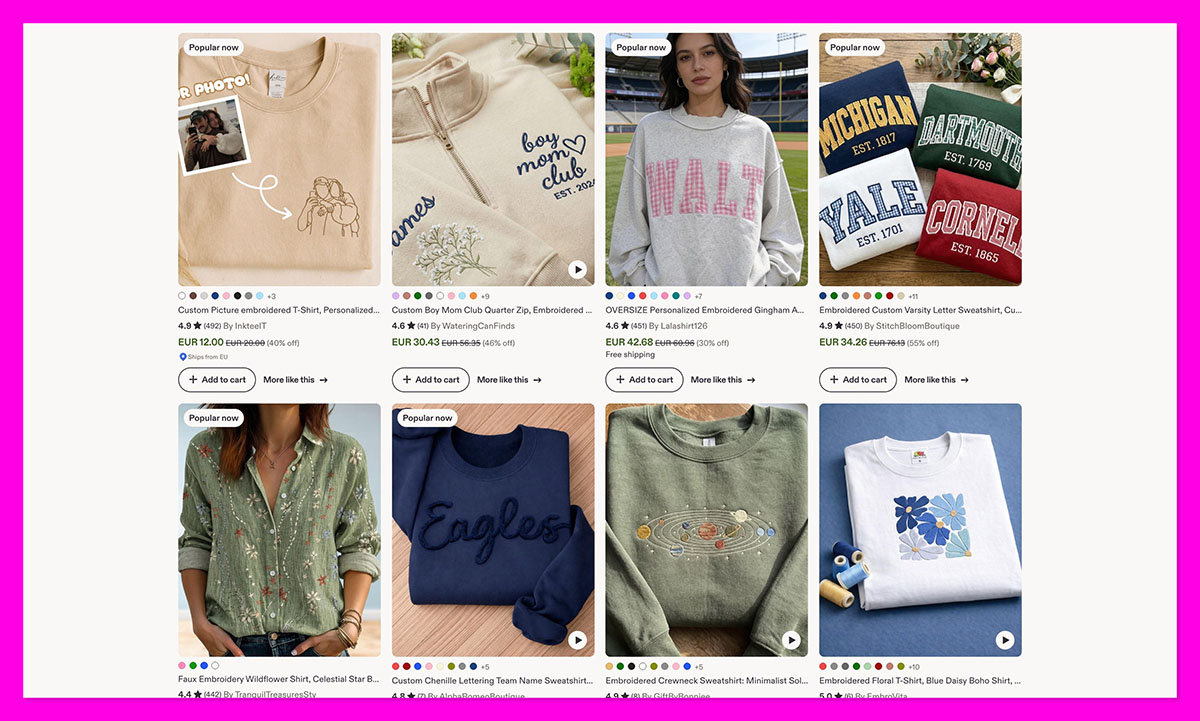
Niches with actual room for a new POD embroidery website:
- Creator merch for YouTubers, streamers, podcasters. Audience is pre-built. Fourthwall’s Signature collection is designed for exactly this use case. 8 to 15 percent conversion rate on engaged audiences.
- Hobby and interest communities. Fly fishing, motorcycle touring, overlanding, disc golf, bouldering. Small passionate markets where embroidered hats and patches carry the brand identity.
- Pet-named gear. Custom dog collars, embroidered pet beds, personalized cat bandanas. Growing POD category with Etsy’s monogram infrastructure plus much less saturation than human apparel.
- Corporate and team orders. Sell B2B through a Shopify site with volume discounts, then let Printful’s 25-item bulk digitization waiver lift your margins. Real estate brokerages, law firms, churches.
- Niche-interest apparel. Boat names for fishermen, tractor brands for farm kids, horse disciplines for equestrians. Small markets, passionate customers, 3 to 5x markups on blanks.
Products that sell reliably through POD embroidery:
- Embroidered dad caps and trucker hats
- Polo shirts with left-chest logos (B2B lifeblood)
- Beanies with front logos
- Hoodies and sweatshirts with left-chest or back logos
- Tote bags with monograms or small logos
- Canvas aprons for restaurant and cafe accounts
Products to think twice about:
- Generic monogrammed Etsy fare. Too saturated.
- Large photo-realistic designs. Embroidery constraints kill these.
- Very thin performance fabric. Stabilizer pulls through, puckering guaranteed.
- Anything with trademarked logos. Covered in Step 7.
Pick one niche and three to five products to launch. Not seven niches. Not a general “custom embroidery” shop. Be findable in one specific thing.
Creator audiences and local B2B corporate orders are the two fastest paths to $2,000 per month. Both rely on pre-existing relationships or targeted outreach, not cold Etsy SEO.
Step 6: Price Your Products with a Real Formula, Not a Guess
The formula every POD embroidery seller uses is simple: base product cost plus digitization fee plus shipping plus your margin plus platform fees. Learn it once and you’ll never mis-price a product again.
Retail Price = (Base Cost + Shipping + Platform Fees) × Markup Multiplier
Typical margin multipliers, pulled from industry benchmarks:
- 2x markup: entry-level, use for hats and low-ticket items ($8 base cost → $16 retail)
- 2.5x markup: default for most POD embroidery products ($15 polo cost → $38 retail)
- 3x markup: premium brand positioning, creator merch with engaged audience ($20 hoodie cost → $60 retail)
Worked example: embroidered dad cap on Printful, sold via Shopify.
| Line item | Calculation | Amount |
|---|---|---|
| Printful base cost (embroidered cap) | Catalog price | $15.95 |
| Digitization fee (first order only) | Amortized across first 20 orders | $0.30 |
| Shipping to US customer | Standard | $4.29 |
| Shopify transaction fee | 2.9% + $0.30 on $34.99 retail | $1.31 |
| Total cost per unit | $21.85 | |
| Retail price | Targeting 2.5x margin on cost before fees | $39.99 |
| Gross profit per unit | $39.99 minus $21.85 | $18.14 |
Margins on the same product across suppliers:
| Supplier | Base cost (embroidered cap) | Retail | Profit after shipping + fees |
|---|---|---|---|
| Printful | $15.95 + digitization | $39.99 | ~$18 |
| Printify (cheapest provider) | $12.50 | $39.99 | ~$22 |
| Fourthwall (Signature cap) | $16.00 | $39.99 | ~$20 (no platform fee) |
Flex the price up for bundled sets (hat + t-shirt combos), limited drops (creator merch), and premium techniques (3D puff, unlimited color). Flex the price down for volume B2B orders where Printful’s 25-item digitization waiver unlocks an extra $6.50 per design in margin, and for seasonal clearance to make room for new designs.
Price every product from this formula. Don’t ever copy the lowest Etsy price; that seller is either losing money on digitization or running a completely different business model (self-fulfilled embroidery, different supplier, bulk-buy inventory).
Step 7: Handle the Legal Basics (Business Setup, Sales Tax, and IP Traps)
The fastest way to lose your POD embroidery website is an IP takedown. Upload a Disney princess design on Printful, sell it through Shopify, and your account can be suspended inside a week. Same for NFL logos, NCAA marks, Pokémon, Mickey Mouse, and pro-sports-team anything. POD suppliers actively scan uploaded designs against trademark databases; they’re liable too.
Business setup essentials:
- LLC or sole proprietorship. Sole prop is free and works Day 1. An LLC runs $50 to $500 in state fees and adds personal liability protection.
- EIN. Free from the IRS at irs.gov, about 10 minutes. Even sole props should get one; it keeps your SSN off POD supplier tax forms.
- Home business permit. Check your city or county zoning office. Usually $50 to $150 per year, and required even for online-only businesses in many jurisdictions.
- Resale certificate (if self-fulfilling any products). Free, filed with your state. Not needed for pure POD since the supplier is the seller of record for blanks.
Sales tax reality for POD:
- On Etsy, the platform collects and remits sales tax for you under marketplace facilitator laws in all 50 states. You do nothing.
- On Shopify, you owe sales tax in your home state and any state where you hit nexus (typically $100,000+ in sales or 200+ transactions per year). TaxJar or Avalara automates this for $19 to $50 per month. Shopify’s built-in tax tool is also adequate for most stores.
- On Fourthwall, the platform handles sales tax calculation and remittance on catalog orders. You do nothing for catalog products.
- Save every receipt for sample orders, platform fees, design software, and domain costs. They’re deductible.
The trap most POD guides don’t mention. You cannot legally embroider and sell:
| Category | Examples |
|---|---|
| Entertainment IP | Disney, Pixar, Marvel, Star Wars characters |
| Pro sports logos | NFL, NBA, MLB, NHL, NCAA, MLS logos and team names |
| College logos | Alabama, Ohio State, Texas (most schools contract with the Collegiate Licensing Company) |
| Cartoon and franchise characters | Harry Potter, Pokémon, Disney princesses, named cartoon characters |
| Brand logos | Nike swoosh, Apple, Supreme |
Printful and Printify both run trademark screening on uploaded designs and reject orders containing protected IP. Fourthwall reviews manually. Disney, Warner Bros, and the Collegiate Licensing Company actively issue takedowns on Etsy, Shopify, and Amazon. Repeat violations close the shop and can get your POD account terminated. Licensing exists but $2,000 to $10,000 annual minimums aren’t viable for a first-year store.
Safe sources: original designs you create, commercially licensed fonts (Creative Market, Adobe Fonts commercial tier), public-domain motifs, and royalty-free vector art from Vecteezy or Freepik (check per-file license). File the LLC and EIN before your first sale, and stay 100% away from trademarked characters and logos without paper proof of license.
Step 8: Find Your First Customers Beyond Etsy
The POD embroidery stores making $5,000-plus per month mostly don’t get there through Etsy alone. They get there through a YouTube channel with 20,000 engaged subscribers, a B2B account with a local brewery that orders 200 embroidered caps twice a year, or a paid-ads funnel on a narrow niche audience. Find those channels and everything changes.
Three customer channels, in priority order for first-year revenue:
1. Audience-led launches. Highest margin, most underrated. If you have any existing audience (YouTube, TikTok, Instagram, podcast, email list, Discord, Twitch), lead with that. Target list for audience types:
- YouTube creators (merch drops tied to video launches)
- Podcasters (limited-run embroidered merch for super-fans)
- Discord communities (group buy logos for server members)
- Newsletter writers (branded hats and beanies for subscribers)
- Local small businesses you already work with (introduce B2B embroidery as a service)
Outreach angle: “I run a POD embroidery shop specializing in [niche]. If your audience would want a [hat / hoodie / polo], I can have it designed, sampled, and live on my storefront in 7 days, no upfront cost to you.” Offer revenue share or flat licensing fee.
2. Organic social channels. TikTok and Instagram Reels showing the embroidery coming off the machine (from a sample you unbox) drive disproportionate traffic for POD embroidery. The visual “stitching out” moment is platform-native content. Budget 20 minutes per product to film, 10 minutes to edit. Expect 30 to 60 days before posts consistently convert.
3. Paid ads (Meta, TikTok, Pinterest). Slower to break even, scalable once profitable. Start with $20/day on a best-seller product with a clear niche hook. Most POD embroidery stores don’t become paid-ads profitable until month 3 or 4, once you have enough reviews and social proof to earn the click. Not the place to start unless you already know performance marketing.
Realistic revenue timeline for a part-time POD embroidery website:
| Timeframe | Expected revenue | Driver |
|---|---|---|
| Month 1 | $200 to $600 | Friends, family, first audience launch |
| Month 3 | $800 to $2,500 | Organic social + 1 or 2 viral product videos |
| Month 6 | $2,500 to $6,000 | Repeat customers + 1 B2B or creator account |
| Year 1 (gross) | $30,000 to $80,000 | 10 to 15 hours per week part-time |
| $15,000+ per month | Requires paid ads, audience of 50K+, or established B2B |
Best for founders with an existing audience or willingness to build one publicly. Skip the audience route only if you’re OK with a slower, Etsy-only path that usually takes 12 to 18 months to hit the same revenue.
FAQ
How much does it cost to start a POD embroidery website?
Expect to spend under $300 for a complete POD embroidery setup. A domain runs $12 to $15 per year, Shopify Basic is $29 per month (or Fourthwall and Etsy are free to start), samples across 5 products total $150 to $200, and LLC fees land at $50 to $500 depending on state. A pure hobby setup on Etsy can start under $50 with pay-per-listing pricing, though the 300,000+ embroidered listings already on Etsy limit organic discoverability.
Which POD supplier is best for embroidery in 2026?
Printful is the most common starter at 2 to 5 day fulfillment, 192+ embroidery-capable products, and flat or 3D puff or unlimited color techniques. Printify offers lower base costs but a 6-color thread limit and in-house-only digitization. Fourthwall is the creator-first option with curated premium products and built-in storefront tools. Most founders start with Printful for its predictability and add a second supplier once they hit $5,000 per month in revenue.
Do I need design software to run a POD embroidery website?
No, not for the first 90 days. Canva Pro at $15 per month handles most basic logo and text designs, and Printful and Fourthwall both have built-in mockup generators. Adobe Illustrator ($22.99 per month standalone) becomes worth it once you’re producing more than 10 custom designs per month or need vector files for B2B quotes. Hiring a Fiverr designer at $25 to $75 per logo is often cheaper than learning software in Year 1.
How much can I realistically make from a POD embroidery website?
Part-time POD embroidery sellers typically make $800 to $2,500 per month in months 2 through 6, and $3,000 to $6,000 per month by month 6 to 12 with consistent social content or a B2B account. Year 1 gross of $30,000 to $80,000 is realistic at 10 to 15 hours per week. $15,000-plus per month requires either paid ads running profitably, an audience of 50,000+ followers, or two to three recurring B2B accounts ordering 50+ units per quarter.
Can I sell embroidered Disney, NFL, or college logo products through POD?
No, not without a licensing agreement. Printful, Printify, and Fourthwall all run trademark screening and reject orders containing protected IP. Disney, NFL, NCAA, and the Collegiate Licensing Company own those marks and actively issue takedowns on Shopify, Etsy, and Amazon. Licensing fees typically run $2,000 to $10,000 annual minimums, which is not viable for most first-year stores. Stick to original designs, licensed fonts, and public-domain motifs (florals, geometrics, generic animals, typographic designs).
How long does it take to launch a POD embroidery website?
Budget 2 to 3 weeks from signup to first sale. Week 1 is supplier signup, storefront setup, and product design. Week 2 is ordering samples and photographing them under natural light. Week 3 is listing products, setting up email capture, and running the first launch to your audience or on organic social. The 300,000+ embroidered Etsy listings make “just list it and wait” ineffective; the 2 to 3 week ramp assumes you’re actively promoting through at least one channel.